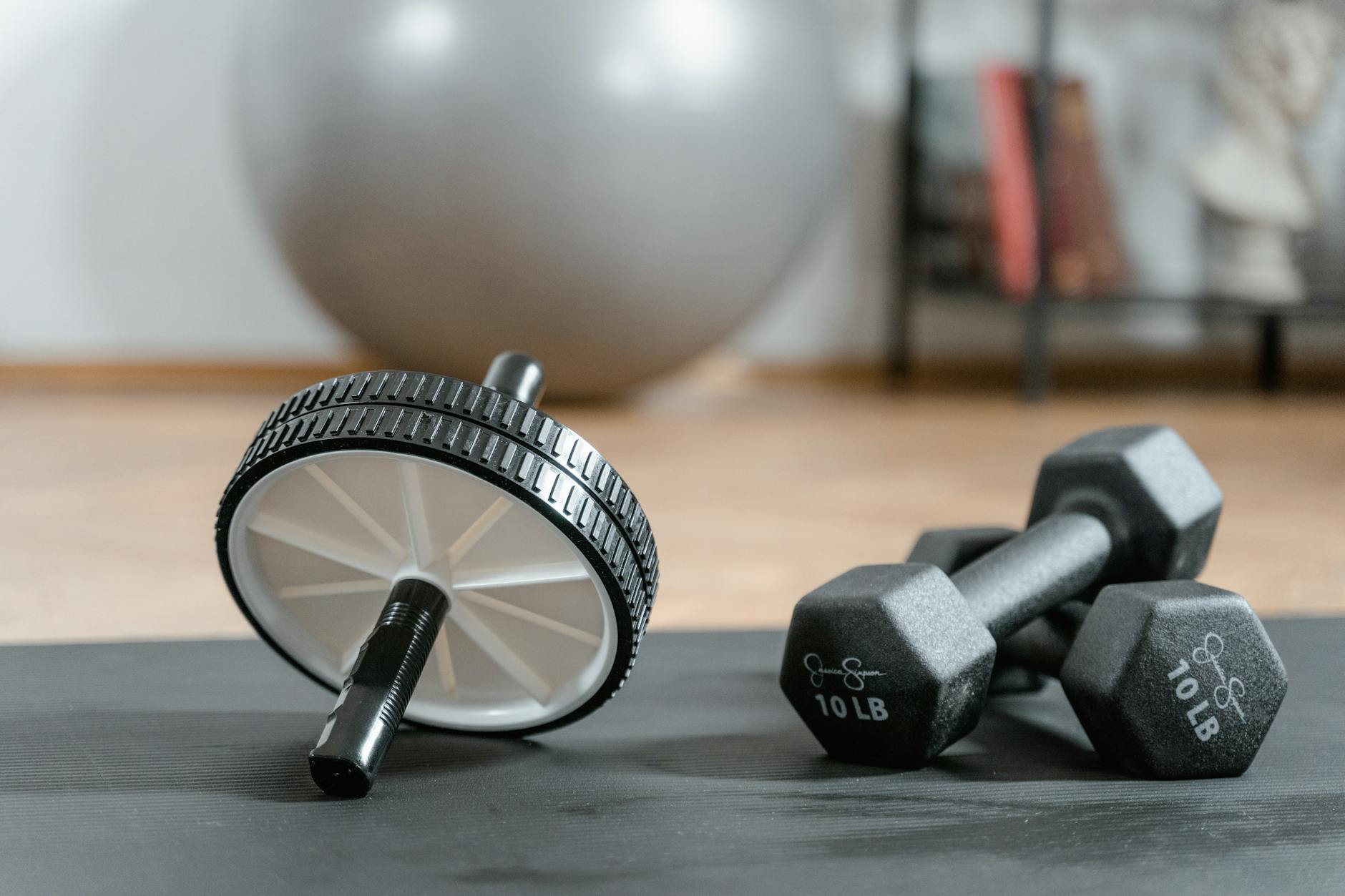
Building a home gym doesn’t require breaking the bank or filling your space with expensive equipment. In 2026, fitness enthusiasts and beginners alike are discovering that sustainable, budget-friendly home gyms are not only possible but increasingly popular. Whether you’re looking to save money, save time on commuting, or create a personalized fitness space, this comprehensive guide will help you establish a home gym that actually works for your lifestyle and wallet.
Why Home Gyms Matter in 2026
The fitness industry has undergone significant changes over the past few years. More people than ever are choosing to exercise at home, with studies showing that 65% of fitness enthusiasts in 2026 incorporate home workouts into their routine. This shift isn’t just about convenience—it’s about creating sustainable, long-term fitness habits that fit real life.
Home gyms offer flexibility, privacy, and the ability to work out on your own schedule. Plus, you eliminate membership fees, commute time, and the intimidation factor some people feel in traditional gyms. The key is starting smart and building sustainably.
Assess Your Space and Fitness Goals
Evaluate Your Available Space
Before purchasing anything, take an honest look at what space you have available. This could be a spare bedroom, corner of your living room, garage, or even a basement. Measure the dimensions and consider ceiling height—especially important if you plan to do any overhead exercises.
You don’t need much space. Many effective home gyms function in just 100-150 square feet. The goal is creating a dedicated area where you can focus without distractions.
Define Your Fitness Objectives
Are you interested in strength training, cardio, flexibility work, or a combination? Your primary goals will determine which equipment investments make the most sense. Someone focused on yoga and stretching needs different tools than someone training for powerlifting.
Write down three to five specific fitness goals. This clarity prevents impulse purchases and keeps your budget focused on what actually matters for your journey.
Essential Equipment for Budget-Conscious Beginners
Resistance Bands: The MVP of Budget Gyms
Resistance bands are the unsung heroes of affordable fitness. In 2026, quality resistance band sets cost between $15-40 and provide incredible versatility. They work for strength training, rehabilitation, and can be used for nearly every major muscle group.
Invest in a set with multiple resistance levels. They’re lightweight, space-efficient, and last for years with proper care.
Adjustable Dumbbells
If you have a slightly larger budget, adjustable dumbbells offer excellent value. Rather than buying 10 different pairs of dumbbells, adjustable sets let you change weight with a simple mechanism. Expect to spend $100-250 for a decent set in 2026.
They take up significantly less space than traditional dumbbells and provide progressive resistance as you get stronger.
Yoga Mat and Foam Roller
A quality yoga mat ($20-50) serves multiple purposes: yoga, stretching, floor exercises, and protecting your joints. A foam roller ($15-35) aids recovery and mobility work—essential components of sustainable fitness.
These items are non-negotiable for any budget home gym.
Pull-Up Bar
A doorway pull-up bar costs $25-60 and requires no installation. It enables dozens of exercises and uses vertical space you already have. This single piece of equipment dramatically expands your training options.
Building Your Sustainable Home Gym: A Phased Approach
Phase 1: Foundation (Budget: $50-100)
Start with the absolute essentials:
– Yoga mat ($30)
– Resistance band set ($40)
– Foam roller ($20)
These three items enable hundreds of exercises. Many people make the mistake of buying too much equipment initially. Start here, use these tools consistently for 4-6 weeks, then assess what else you actually need.
Phase 2: Expansion (Budget: $100-200)
After establishing consistent habits, add:
– Adjustable dumbbells ($150)
– Pull-up bar ($40)
This combination gives you serious strength-training capability without excessive expense or space requirements.
Phase 3: Refinement (Budget: $50-150)
Based on your actual usage patterns, consider:
– Kettlebell ($30-50)
– Jump rope ($15-25)
– Resistance loop bands ($20)
– Additional foam rolling tools ($30)
Only add items that address genuine gaps in your training.
Smart Shopping Strategies for 2026
Buy Quality Over Quantity
In 2026, the fitness equipment market is saturated with cheap options. Resist the temptation. A $20 resistance band that breaks after three months costs more than a $35 band that lasts five years.
Read reviews, check warranty information, and invest in brands with proven durability.
Consider Used Equipment
Online marketplaces, local Facebook groups, and classified ads offer tremendous opportunities for budget-conscious gym builders. Many people buy equipment with good intentions, use it briefly, then sell it at significant discounts.
Inspect used equipment carefully and negotiate prices. You can often save 40-60% on quality items.
Take Advantage of Sales
Major sales events in 2026 include New Year (January), summer sales (June-July), and Black Friday (November). If you’re flexible with timing, waiting for these periods can reduce costs significantly.
Creating Your Sustainable Routine
Start Small and Build Consistency
The most expensive home gym is one you don’t use. Begin with 3-4 workouts weekly, 20-30 minutes each. This sustainable approach builds habits without overwhelming you.
Track Your Progress
Use your phone to log workouts. Seeing progress—more repetitions, increased weight, improved endurance—keeps motivation high and justifies your investment.
Invest in Education
YouTube, fitness apps, and online coaching provide free or low-cost instruction. Proper form prevents injuries and maximizes results, making this investment invaluable.
Maintenance and Longevity
Protect your equipment investment through basic maintenance:
– Store equipment in a dry location
– Clean dumbbells and bars regularly
– Check resistance bands for wear
– Replace worn items promptly
Proper care extends equipment life by years, improving your cost-per-use ratio significantly.
Conclusion
Building a sustainable home gym in 2026 doesn’t require expensive equipment or elaborate setups. Start with fundamentals, build consistent habits, and expand thoughtfully based on actual usage. This phased approach keeps costs manageable while creating a fitness space that genuinely supports your long-term health goals.
Remember: the best home gym is the one you’ll actually use. Focus on consistency over complexity, and watch your fitness—and your bank account—thank you.
Sources and Further Reading
Frequently Asked Questions
What is How to Build a Sustainable Home Gym on a?
How to Build a Sustainable Home Gym on a refers to a set of concepts and practices relevant to health. Understanding the fundamentals helps you apply these techniques effectively in real-world situations.
Who benefits most from How to Build a Sustainable Home Gym on a?
Anyone working in or interested in health can benefit. Beginners gain foundational knowledge, while experienced practitioners find actionable guidance for common challenges.
What are the key steps to get started with How to Build a Sustainable Home Gym on a?
Start by understanding the core principles, then apply them incrementally. Focus on measurable outcomes and iterate based on what you observe in practice.