As we navigate 2026, maintaining a strong immune system has become more important than ever. With emerging health challenges and evolving wellness trends, understanding how to naturally enhance your immune function is essential for long-term health and vitality. This comprehensive guide explores ten scientifically-proven strategies to strengthen your immune system and keep you feeling your best.
Why Immune Health Matters in 2026
Your immune system is your body’s first line of defense against illness and infection. In 2026, with new pathogens emerging and lifestyle stressors increasing, prioritizing immune health isn’t just about avoiding colds—it’s about building resilience and maintaining overall wellness. The good news? There are numerous evidence-based strategies you can implement today.
1. Prioritize Quality Sleep
The Sleep-Immunity Connection
One of the most underrated immune boosters is sleep. During sleep, your body produces cytokines—proteins that help fight infection and inflammation. Research in 2026 continues to confirm that adults who sleep 7-9 hours nightly have significantly stronger immune responses.
Actionable Tips:
- Maintain a consistent sleep schedule, even on weekends
- Create a dark, cool sleeping environment
- Avoid screens 30-60 minutes before bed
- Aim for 7-9 hours of quality sleep nightly
2. Consume Immune-Boosting Foods
Nutritional Foundation for Immunity
What you eat directly impacts your immune function. Certain foods are packed with vitamins, minerals, and antioxidants that support immune health.
Top Immune-Boosting Foods:
- Citrus fruits: Rich in vitamin C, which enhances white blood cell production
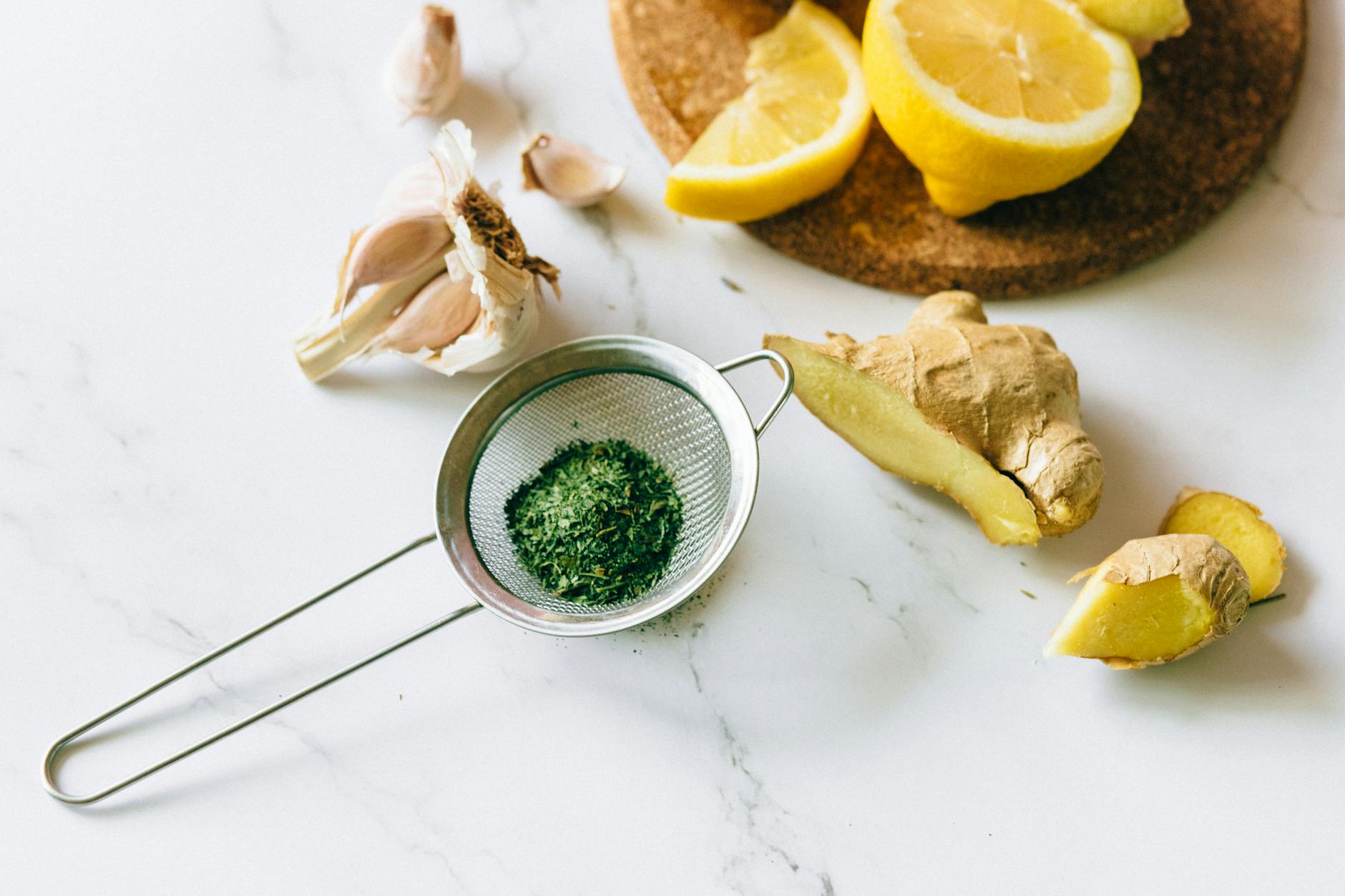
- Garlic: Contains allicin, a compound with antimicrobial properties
- Ginger: Reduces inflammation and supports immune response
- Almonds: Excellent source of vitamin E, a powerful antioxidant
- Spinach: Packed with folate and antioxidants
- Turmeric: Contains curcumin, known for anti-inflammatory benefits
- Yogurt: Provides probiotics that support gut health
3. Stay Hydrated
Water: The Ultimate Immune Support
Proper hydration is fundamental to immune function. Your lymphatic system, which carries immune cells throughout your body, depends on adequate water intake. Dehydration can impair your body’s ability to fight infections.
Hydration Guidelines:
- Drink at least 8-10 glasses of water daily
- Adjust intake based on activity level and climate
- Monitor urine color—pale yellow indicates good hydration
- Include herbal teas and water-rich foods like cucumbers and watermelon
4. Exercise Regularly
Movement as Medicine
Regular physical activity strengthens your immune system by promoting circulation and reducing inflammation. Research in 2026 shows that moderate exercise—150 minutes weekly—significantly enhances immune function.
Effective Exercise Strategies:
- Walking, jogging, or cycling for 30 minutes daily
- Strength training 2-3 times per week
- Yoga for stress reduction and flexibility
- High-intensity interval training (HIIT) for maximum immune benefits
5. Manage Stress Effectively
The Stress-Immunity Link
Chronic stress suppresses immune function by elevating cortisol levels. In 2026, stress management has become a cornerstone of preventive health care.
Stress-Reduction Techniques:
- Daily meditation or mindfulness practice
- Deep breathing exercises (try the 4-7-8 technique)
- Progressive muscle relaxation
- Journaling or creative expression
- Spending time in nature
- Connecting with loved ones
6. Maintain Healthy Gut Flora
Gut Health and Immunity
Approximately 70% of your immune system resides in your gut. A healthy microbiome is crucial for immune function. In 2026, probiotic and prebiotic research continues to reveal their importance.
Gut-Health Strategies:
- Consume fermented foods like sauerkraut, kimchi, and tempeh
- Take quality probiotic supplements
- Eat prebiotic foods like garlic, onions, and asparagus
- Limit processed foods and excess sugar
- Increase fiber intake gradually
7. Get Adequate Vitamin D
The Sunshine Vitamin
Vitamin D plays a critical role in immune regulation. Many people in 2026 still don’t get enough vitamin D, especially during winter months or in northern climates.
Vitamin D Sources:
- Sunlight exposure: 10-30 minutes daily (depending on skin tone)
- Fatty fish like salmon and mackerel
- Egg yolks
- Fortified dairy products
- Supplements (consider testing levels first)
8. Limit Alcohol and Avoid Smoking
Protecting Your Immune System
Alcohol and tobacco significantly impair immune function. Excessive alcohol consumption suppresses antibody production, while smoking damages the respiratory tract’s natural defenses.
Healthy Choices:
- Limit alcohol to moderate amounts (1 drink daily for women, 2 for men)
- Avoid smoking and secondhand smoke exposure
- If quitting, seek professional support or evidence-based programs available in 2026
9. Practice Good Hygiene Habits
Prevention Through Cleanliness
While internal immune boosting is essential, external hygiene prevents pathogen exposure.
Key Hygiene Practices:
- Wash hands frequently with soap and water for 20 seconds
- Avoid touching your face
- Cover coughs and sneezes
- Clean frequently-touched surfaces
- Practice respiratory etiquette in public spaces
10. Consider Targeted Supplementation
Evidence-Based Supplements
While whole foods should be your primary source of nutrients, certain supplements may support immune function in 2026.
Beneficial Supplements:
- Vitamin C: Supports white blood cell function
- Zinc: Essential for immune cell development
- Elderberry: May reduce cold duration
- Echinacea: Traditional immune support herb
- Selenium: Acts as an antioxidant
Note: Consult with a healthcare provider before starting any supplement regimen.
Implementing Your Immune-Boosting Strategy
Creating a Sustainable Plan
The most effective immune-boosting strategy is one you can maintain long-term. Rather than implementing all ten strategies simultaneously, consider:
- Starting with 2-3 changes this week
- Adding additional strategies as habits develop
- Tracking your energy and wellness improvements
- Adjusting based on your individual response
Conclusion
Boosting your immune system in 2026 doesn’t require expensive treatments or complicated protocols. By implementing these ten evidence-based strategies—from prioritizing sleep and nutrition to managing stress and maintaining hygiene—you can naturally strengthen your body’s defense mechanisms. Remember, immune health is a marathon, not a sprint. Consistency with these practices will yield the best long-term results. Start today, and invest in the foundation of your health for years to come.
Sources and Further Reading
Frequently Asked Questions
What is 10 Evidence-Based Ways to Boost Your Imm?
10 Evidence-Based Ways to Boost Your Imm refers to a set of concepts and practices relevant to health. Understanding the fundamentals helps you apply these techniques effectively in real-world situations.
Who benefits most from 10 Evidence-Based Ways to Boost Your Imm?
Anyone working in or interested in health can benefit. Beginners gain foundational knowledge, while experienced practitioners find actionable guidance for common challenges.
What are the key steps to get started with 10 Evidence-Based Ways to Boost Your Imm?
Start by understanding the core principles, then apply them incrementally. Focus on measurable outcomes and iterate based on what you observe in practice.