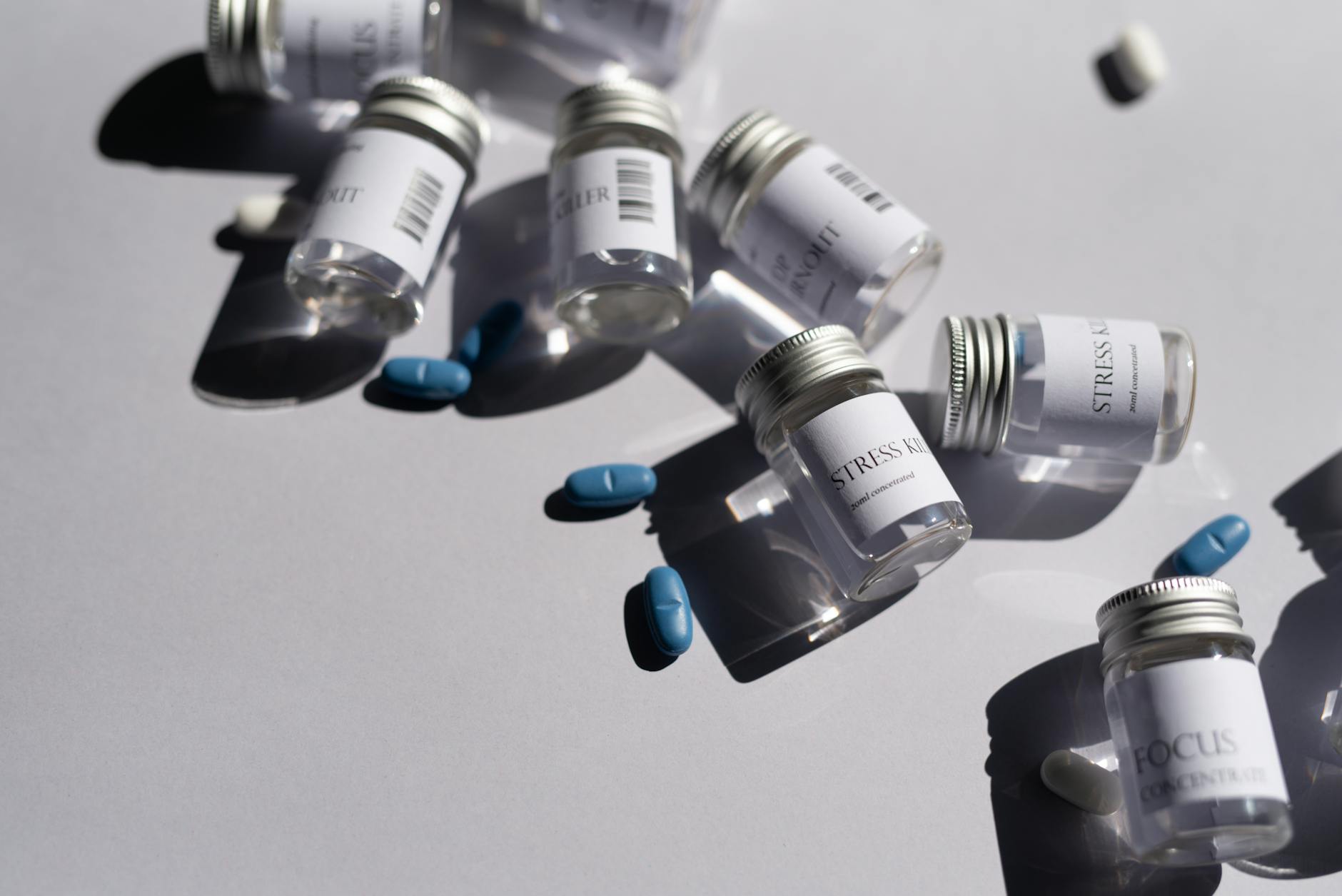
Stress has become an unavoidable part of modern life, and in 2026, more people than ever are seeking natural solutions to manage its effects. Adaptogens—a class of herbs and botanical compounds that help your body adapt to stress—have exploded in popularity over the past few years. But with countless products flooding the market, it’s essential to understand which adaptogens are actually backed by solid research.
What Are Adaptogens and How Do They Work?
Adaptogens are natural substances that help regulate your body’s stress response system, known as the hypothalamic-pituitary-adrenal (HPA) axis. Unlike stimulants or sedatives, adaptogens work by promoting balance and resilience rather than forcing a specific state.
The concept isn’t new—traditional medicine systems like Ayurveda and Traditional Chinese Medicine have used these herbs for thousands of years. However, modern scientific research in 2026 has finally caught up, providing evidence for many of these traditional uses.
When you experience stress, your body releases cortisol and adrenaline. Adaptogens help normalize these stress hormones, allowing your nervous system to return to equilibrium more efficiently. This makes them particularly valuable for chronic stress management.
Top Research-Backed Adaptogens in 2026
Ashwagandha: The Most Studied Adaptogen
Ashwagandha (Withania somnifera) remains the most extensively researched adaptogen, with over 300 clinical studies conducted by 2026. Multiple meta-analyses confirm its effectiveness for reducing cortisol levels and anxiety symptoms.
Recent 2026 studies show that ashwagandha can reduce anxiety by up to 28% in individuals with chronic stress. The herb contains withanolides, active compounds that directly influence stress hormone pathways. A typical effective dose ranges from 300-600mg daily of standardized extract.
What makes ashwagandha particularly appealing is its dual action: it reduces stress while improving sleep quality, making it ideal for those whose stress disrupts their rest.
Rhodiola Rosea: The Energy-Boosting Adaptogen
Rhodiola rosea has gained significant attention in 2026 for its unique ability to combat stress-related fatigue without causing jitteriness. Research indicates it works particularly well for individuals experiencing burnout or mental exhaustion.
A comprehensive review published in 2026 found that rhodiola improved mental performance and reduced fatigue in 80% of study participants. The herb contains rosavins and salidroside, compounds that enhance dopamine and serotonin activity in the brain.
Unlike some adaptogens, rhodiola is best taken in the morning, as it can be energizing. A standard dose is 200-400mg daily of standardized extract.
Reishi Mushroom: The Calming Adaptogen
Reishi (Ganoderma lucidum) has transitioned from obscure traditional remedy to mainstream wellness staple by 2026. Modern research validates its reputation as a calming adaptogen, particularly for sleep-related stress issues.
Studies in 2026 demonstrate that reishi reduces cortisol levels and improves sleep architecture, the quality and structure of sleep itself. The mushroom contains beta-glucans and triterpenes that modulate immune function and stress response.
Reishi works best when taken consistently over 4-8 weeks. Most research uses 1.5-2g daily of standardized extract.
Cordyceps: The Performance Adaptogen
Cordyceps mushrooms have become increasingly popular in 2026, especially among athletes and high-stress professionals. These fungi improve energy production at the cellular level while supporting stress resilience.
Recent research shows cordyceps enhance ATP production (your cells’ energy currency) by up to 40%, helping you maintain performance during stressful periods. They’re particularly effective for stress-induced fatigue and low motivation.
A typical dose is 1-3g daily, and cordyceps work best when taken consistently over several weeks.
Panax Ginseng: The Immune-Supporting Adaptogen
Panax ginseng remains relevant in 2026 for its comprehensive stress-fighting properties. Research confirms it reduces cortisol, improves immune function, and enhances cognitive performance under stress.
A 2026 meta-analysis found that ginseng users reported 35% improvement in stress-related symptoms. The herb contains ginsenosides, compounds with potent antioxidant and anti-inflammatory properties.
Quality matters significantly with ginseng. Look for products standardized to contain 4-7% ginsenosides. A typical dose is 200-400mg daily.
How to Choose and Use Adaptogens Effectively
Quality Matters
Not all adaptogenic supplements are created equal. In 2026, look for products that:
- Include third-party testing certifications
- Specify the amount of active compounds (standardized extracts)
- Use reputable suppliers with transparent sourcing
- Avoid products with excessive fillers or binders
Give Them Time to Work
Adaptogens aren’t quick fixes. Most require 4-8 weeks of consistent use before you notice significant benefits. This differs from pharmaceutical interventions, which often work immediately.
Stack Strategically
Combining complementary adaptogens can enhance results. For example, pairing ashwagandha (calming) with rhodiola (energizing) creates a balanced stress-management approach. However, avoid combining too many adaptogens simultaneously, as this makes it difficult to identify which one is actually helping.
Consider Your Stress Type
Different adaptogens address different stress manifestations:
- Mental exhaustion: Rhodiola
- Anxiety and sleep issues: Ashwagandha or Reishi
- Physical fatigue: Cordyceps
- General resilience: Panax Ginseng
The Research Landscape in 2026
By 2026, the scientific community has largely validated adaptogens’ effectiveness, though research continues to evolve. Major universities and research institutions now actively study adaptogenic compounds, and funding for this research has increased significantly.
However, it’s important to note that while adaptogens are effective, they work best as part of a comprehensive stress-management approach that includes exercise, adequate sleep, nutrition, and potentially therapy or meditation.
Potential Side Effects and Considerations
Adaptogens are generally well-tolerated, but they’re not appropriate for everyone. Pregnant or nursing women should consult healthcare providers before use. Some adaptogens may interact with medications, particularly those affecting blood sugar or blood pressure.
Always start with lower doses and gradually increase to assess tolerance. If you’re on prescription medications, discuss adaptogen use with your healthcare provider.
Conclusion
As we navigate the complexities of 2026, adaptogens offer evidence-based support for stress management. Ashwagandha, rhodiola, reishi, cordyceps, and panax ginseng have all demonstrated efficacy in clinical research, making them worthy additions to your wellness toolkit.
The key is choosing high-quality products, giving them adequate time to work, and combining them with lifestyle modifications. By doing so, you can harness the power of these traditional herbs backed by modern science to build genuine stress resilience.
Sources and Further Reading
Frequently Asked Questions
What is Adaptogens for Stress Management in 2026?
Adaptogens for Stress Management in 2026 refers to a set of concepts and practices relevant to health. Understanding the fundamentals helps you apply these techniques effectively in real-world situations.
Who benefits most from Adaptogens for Stress Management in 2026?
Anyone working in or interested in health can benefit. Beginners gain foundational knowledge, while experienced practitioners find actionable guidance for common challenges.
What are the key steps to get started with Adaptogens for Stress Management in 2026?
Start by understanding the core principles, then apply them incrementally. Focus on measurable outcomes and iterate based on what you observe in practice.