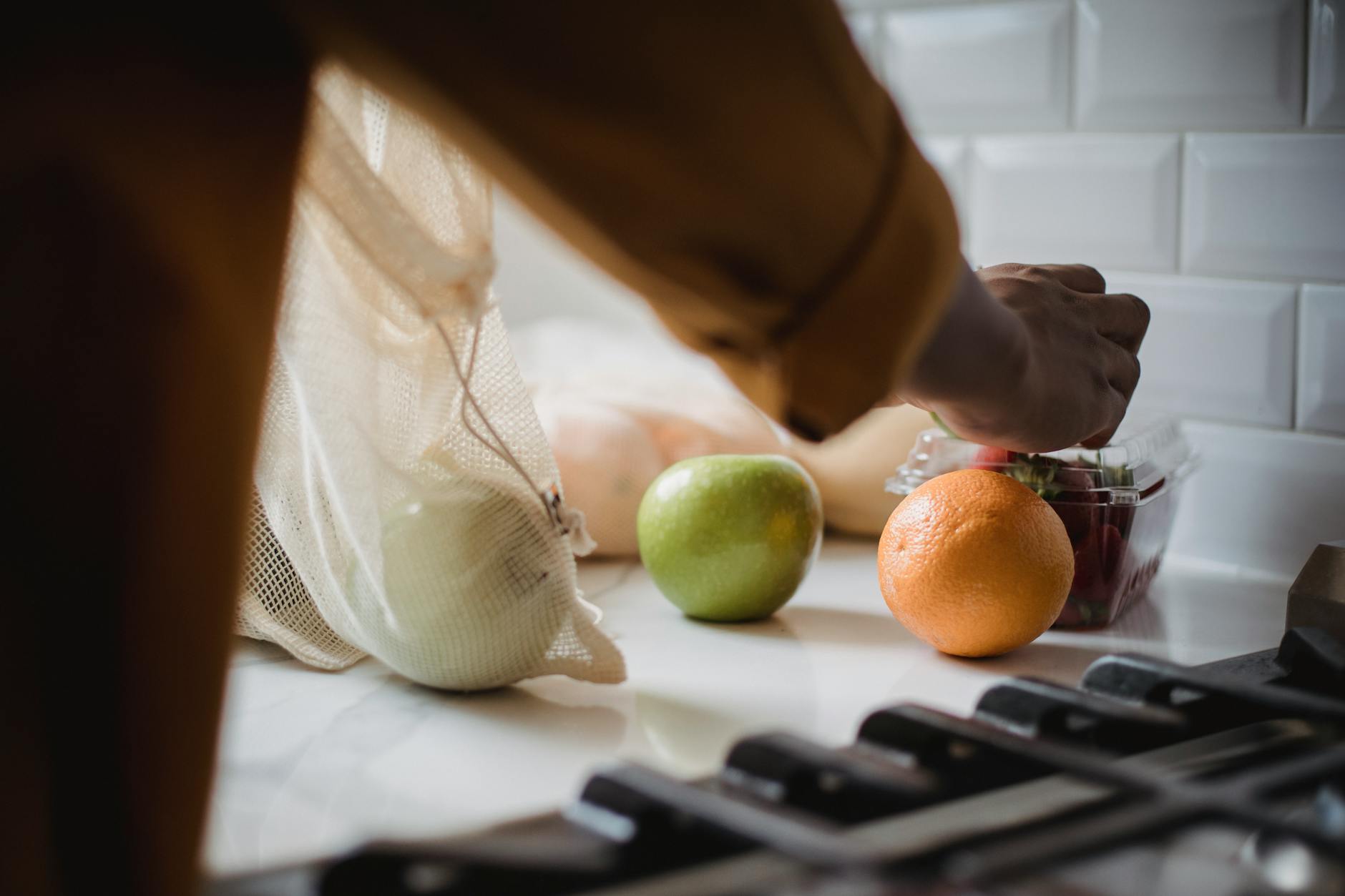
Meal prepping has evolved significantly in 2026, becoming more than just a trend—it’s now an essential practice for health-conscious individuals seeking to maintain balanced nutrition while managing busy lifestyles. Building a sustainable meal prep routine doesn’t require expensive equipment or hours spent in the kitchen. Instead, it demands strategic planning, consistency, and a commitment to your long-term health goals.
Why Sustainable Meal Prepping Matters in 2026
As we navigate 2026, the importance of sustainable eating practices has never been clearer. Recent health studies show that individuals who maintain consistent meal prep routines experience 40% better adherence to their nutritional goals compared to those who don’t plan ahead. Beyond personal health benefits, sustainable meal prepping reduces food waste, saves money, and minimizes your environmental footprint.
The modern approach to meal prepping in 2026 emphasizes flexibility, variety, and alignment with individual dietary preferences—whether you follow a plant-based, keto, Mediterranean, or balanced diet approach.
Step 1: Assess Your Goals and Lifestyle
Define Your Nutritional Objectives
Before you start chopping vegetables, clearly identify what you want to achieve. Are you aiming for weight loss, muscle gain, improved energy levels, or simply maintaining overall wellness? Your goals will directly influence your macronutrient ratios and calorie targets.
In 2026, many health professionals recommend using digital nutrition tracking apps to establish baseline data about your current eating patterns. This information becomes invaluable when designing your meal prep strategy.
Evaluate Your Schedule
Assess how much time you realistically have available for meal preparation each week. Most people find that dedicating 2-3 hours on a Sunday or your preferred day works best. However, if you have limited time, consider prepping ingredients rather than complete meals—this approach offers more flexibility throughout the week.
Step 2: Plan Your Meals Strategically
Create a Simple Framework
The most sustainable meal prep approach in 2026 follows a simple formula: protein + whole grains + vegetables + healthy fats. This structure ensures balanced nutrition while remaining flexible enough to prevent boredom.
Start by selecting 2-3 protein sources (chicken, fish, tofu, legumes), 2-3 whole grain options (brown rice, quinoa, sweet potatoes), and 3-4 vegetable varieties for your week. This limited selection prevents overwhelm while offering enough variety for satisfaction.
Use Digital Planning Tools
Leverage 2026’s technology to streamline your planning process. Meal planning apps can generate shopping lists, track nutritional information, and suggest recipes based on your dietary preferences. Many of these tools now feature AI recommendations that learn from your preferences over time.
Step 3: Organize Your Shopping Strategy
Shop Smart and Sustainably
Create a comprehensive shopping list organized by store sections—produce, proteins, grains, and pantry items. This organization reduces impulse purchases and saves time during checkout.
In 2026, consider shopping at farmers markets or stores offering bulk options to reduce packaging waste. Buying seasonal produce not only supports sustainability but also ensures fresher, more nutrient-dense ingredients at better prices.
Buy in Appropriate Quantities
Calculate exact quantities needed for your planned meals plus a small buffer for unexpected meals. This precision reduces food waste—a critical component of sustainable eating in 2026.
Step 4: Prepare Your Kitchen and Equipment
Invest in Quality Storage Solutions
Sustainable meal prepping requires proper storage containers. Glass containers with secure lids are ideal because they’re durable, recyclable, and don’t leach chemicals into your food. In 2026, eco-friendly container options have become widely available and affordable.
Organize Your Workspace
Set up your kitchen efficiently with all necessary tools within reach: cutting boards, sharp knives, measuring cups, and cooking utensils. A well-organized workspace makes the process faster and more enjoyable.
Step 5: Execute Your Meal Prep Session
Follow a Logical Sequence
Start by preparing items that take longest to cook—grains and proteins. While these cook, wash and chop vegetables. This parallel processing maximizes your time efficiency.
- Start rice, quinoa, or other grains
- Begin cooking proteins (baking, grilling, or slow-cooking)
- Wash and prep all vegetables
- Prepare sauces and dressings
- Cook remaining vegetables if needed
- Cool everything before storing
Practice Food Safety
Allow all cooked items to cool to room temperature before refrigerating. Store meals in airtight containers and label them with preparation dates. Most properly stored meals remain fresh for 3-4 days in the refrigerator.
Step 6: Build Flexibility Into Your System
Create Mix-and-Match Components
Sustainable meal prepping in 2026 emphasizes flexibility. Rather than preparing complete meals, prepare components that can be mixed throughout the week. This approach prevents meal fatigue and accommodates unexpected schedule changes.
Store proteins, grains, and vegetables separately so you can create different combinations daily while maintaining nutritional balance.
Maintain a Backup Strategy
Keep frozen vegetables, canned beans, and quick-cooking proteins on hand for weeks when life gets hectic. Having backup options ensures you don’t abandon your healthy eating goals during busy periods.
Step 7: Track and Optimize Your Routine
Monitor What Works
Keep notes on which meals you enjoy most, which recipes take too long, and which ingredients you consistently waste. This feedback is invaluable for optimizing your routine.
In 2026, many people use nutrition tracking apps that sync with their meal prep plans, providing real-time insights into their nutritional intake.
Adjust Seasonally
Update your meal prep routine quarterly to align with seasonal produce availability. This natural rotation prevents boredom while supporting local agriculture and sustainability.
Common Mistakes to Avoid
Don’t overcomplicate your initial routine—start with simple recipes and gradually add complexity. Avoid prepping more than you can realistically eat before spoilage. Don’t neglect proper food storage and safety practices. Finally, don’t prepare identical meals for the entire week if you know variety matters for your adherence.
Conclusion
Building a sustainable meal prep routine in 2026 is entirely achievable with strategic planning and consistent execution. By following these step-by-step instructions, you’ll develop a personalized system that supports your health goals while respecting your time, budget, and environmental values. Remember that sustainability means finding an approach you can maintain long-term, not perfection. Start simple, track what works, and adjust as needed. Your future self will thank you for the investment in your health today.
Sources and Further Reading
Frequently Asked Questions
What is How to Build a Sustainable Meal Prep Rou?
How to Build a Sustainable Meal Prep Rou refers to a set of concepts and practices relevant to health. Understanding the fundamentals helps you apply these techniques effectively in real-world situations.
Who benefits most from How to Build a Sustainable Meal Prep Rou?
Anyone working in or interested in health can benefit. Beginners gain foundational knowledge, while experienced practitioners find actionable guidance for common challenges.
What are the key steps to get started with How to Build a Sustainable Meal Prep Rou?
Start by understanding the core principles, then apply them incrementally. Focus on measurable outcomes and iterate based on what you observe in practice.