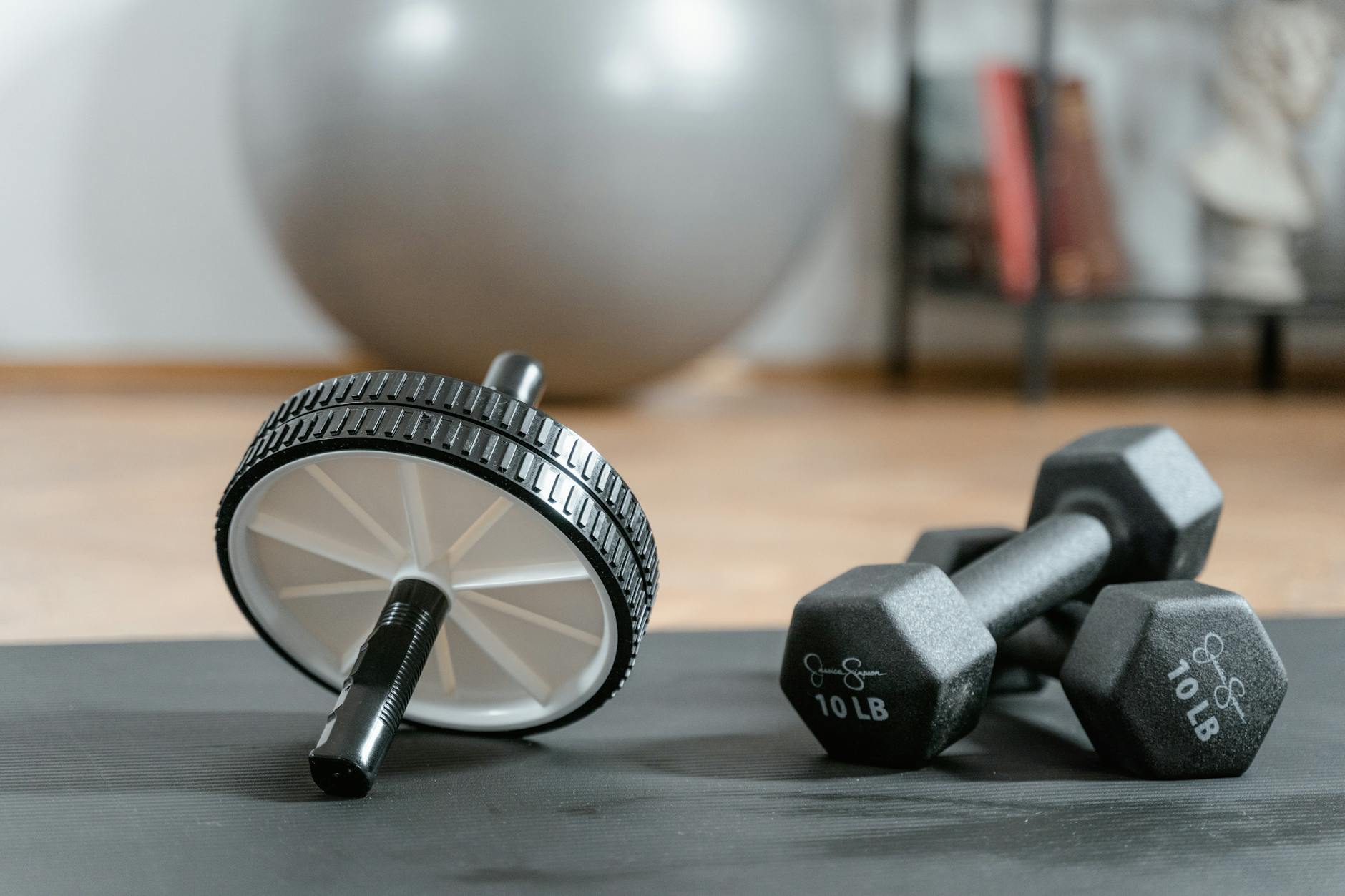
Building a sustainable home gym has become more important than ever in 2026. With fitness trends evolving and more people prioritizing health from the comfort of their homes, creating an eco-friendly and cost-effective workout space is a smart investment. This comprehensive guide will help you design a home gym that aligns with your fitness goals, environmental values, and budget.
Why Build a Sustainable Home Gym in 2026?
The fitness industry in 2026 has shifted dramatically toward sustainability and accessibility. Home gyms offer numerous advantages: they eliminate commute time, provide privacy, and allow you to control your environment. More importantly, a sustainable approach means choosing equipment that lasts longer, uses recycled materials, and minimizes your carbon footprint.
According to current fitness trends in 2026, 62% of fitness enthusiasts prefer working out at home at least part-time. Building a sustainable gym means investing in quality equipment that won’t end up in landfills while maintaining your budget constraints.
Assess Your Space and Needs
Evaluating Your Available Space
Before purchasing any equipment, honestly assess the space you have available. You don’t need a large room—even a corner of your bedroom or garage can work. Measure your space carefully and consider:
- Ceiling height: Essential for exercises like jump rope or pull-ups
- Floor area: A 6×8 foot space is sufficient for most home gym setups
- Ventilation: Proper airflow keeps you cool during workouts
- Natural light: Improves mood and reduces energy costs
- Storage options: Vertical storage maximizes limited space
Defining Your Fitness Goals
Your equipment choices should align with your specific fitness objectives. Are you interested in:
- Strength training
- Cardio workouts
- Flexibility and yoga
- High-intensity interval training (HIIT)
- A combination of these
Defining your goals prevents impulse purchases and ensures every piece of equipment serves a purpose.
Essential Equipment for a Sustainable Home Gym
Budget-Friendly Basics ($200-$500)
Start with versatile, durable equipment that provides maximum functionality:
Resistance Bands: Made from sustainable rubber in 2026, quality resistance bands are affordable and incredibly versatile. They’re perfect for strength training, rehabilitation, and mobility work. A set costs $30-$50 and lasts for years.
Adjustable Dumbbells: Modern adjustable dumbbells from eco-conscious manufacturers offer space efficiency and cost savings. Expect to spend $150-$300 for a quality pair that replaces 15+ traditional dumbbells.
Yoga Mat: Choose a mat made from natural rubber or recycled materials. A quality mat costs $40-$80 and supports stretching, yoga, and floor exercises.
Jump Rope: An affordable ($20-$40) cardio tool that requires minimal space and no electricity.
Mid-Range Investments ($500-$1,500)
Once you’ve established your routine, consider adding:
Adjustable Weight Bench: A sturdy, multi-position bench ($150-$300) expands your exercise options significantly.
Kettlebells: Sustainable and durable, kettlebells ($30-$60 each) provide functional strength training. Start with 2-3 different weights.
Pull-Up Bar: A doorway pull-up bar ($40-$100) adds upper body strength training without permanent installation.
Rowing Machine: Modern rowing machines in 2026 use sustainable materials and provide excellent full-body cardio. Budget $300-$600 for a quality model.
Premium Additions ($1,500+)
If your budget allows:
Treadmill or Stationary Bike: Eco-friendly models with energy recovery systems are available. Prices range from $400-$1,500 depending on features.
Cable Machine: Used cable machines from reputable sellers offer excellent value and durability.
Creating a Sustainable Home Gym on a Budget
Smart Shopping Strategies
Buy Used Equipment: In 2026, many people are selling quality home gym equipment. Platforms specializing in used fitness gear offer significant savings—often 40-60% off retail prices. This approach is incredibly sustainable, keeping equipment out of landfills.
Choose Multi-Functional Equipment: Prioritize pieces that serve multiple purposes. A stability ball, for example, works as a bench, core trainer, and balance tool.
Invest in Quality Over Quantity: One high-quality piece of equipment beats five cheap alternatives. Durable equipment saves money long-term and reduces waste.
Look for Eco-Certified Brands: Many manufacturers in 2026 offer equipment made from recycled materials or sustainable sources. These brands often provide warranty information indicating longevity.
Budget Breakdown for Different Levels
Minimal Budget ($200): Resistance bands, yoga mat, jump rope, and bodyweight exercises
Moderate Budget ($500-$1,000): Add adjustable dumbbells and a weight bench
Comfortable Budget ($1,500-$2,500): Include a rowing machine or stationary bike
Premium Budget ($2,500+): Build a comprehensive gym with multiple equipment types
Organizing Your Sustainable Home Gym
Space Optimization
Maximize your available space with:
- Wall-mounted storage: Pegboards and wall racks keep equipment accessible and organized
- Vertical shelving: Store lighter items like bands and jump ropes on shelves
- Under-bed storage: Use shallow containers for small equipment
- Corner utilization: Place larger equipment like benches in corners
Creating an Inviting Environment
Your gym should motivate you to work out:
- Good lighting: Natural light or LED bulbs (energy-efficient)
- Mirrors: Help with form correction and make spaces feel larger
- Music system: A quality Bluetooth speaker enhances motivation
- Temperature control: Fans or ventilation prevent overheating
- Plants: Improve air quality and create a pleasant atmosphere
Maintaining Your Sustainable Home Gym
Equipment Care and Longevity
Proper maintenance extends equipment life and protects your investment:
- Clean regularly: Wipe down equipment after each use
- Check for damage: Address wear immediately to prevent further deterioration
- Store properly: Keep equipment in a dry, temperature-controlled space
- Follow manufacturer guidelines: Refer to manuals for specific care instructions
- Lubricate moving parts: Use appropriate lubricants for machines like rowing machines
Conclusion
Building a sustainable home gym in 2026 is achievable regardless of your budget. By carefully assessing your space, defining your goals, and making thoughtful equipment choices, you can create an effective workout environment that aligns with your values. Start with essential, multi-functional pieces, gradually expand your collection, and prioritize quality and sustainability over quantity.
Remember that a sustainable home gym isn’t about having the most equipment—it’s about having the right equipment that you’ll use consistently. Whether you’re investing $200 or $2,500, the key is creating a space that motivates you to prioritize your health while minimizing your environmental impact. Your future self will thank you for the commitment to both fitness and sustainability.
Sources and Further Reading
Frequently Asked Questions
What is How to Build a Sustainable Home Gym in 2?
How to Build a Sustainable Home Gym in 2 refers to a set of concepts and practices relevant to health. Understanding the fundamentals helps you apply these techniques effectively in real-world situations.
Who benefits most from How to Build a Sustainable Home Gym in 2?
Anyone working in or interested in health can benefit. Beginners gain foundational knowledge, while experienced practitioners find actionable guidance for common challenges.
What are the key steps to get started with How to Build a Sustainable Home Gym in 2?
Start by understanding the core principles, then apply them incrementally. Focus on measurable outcomes and iterate based on what you observe in practice.