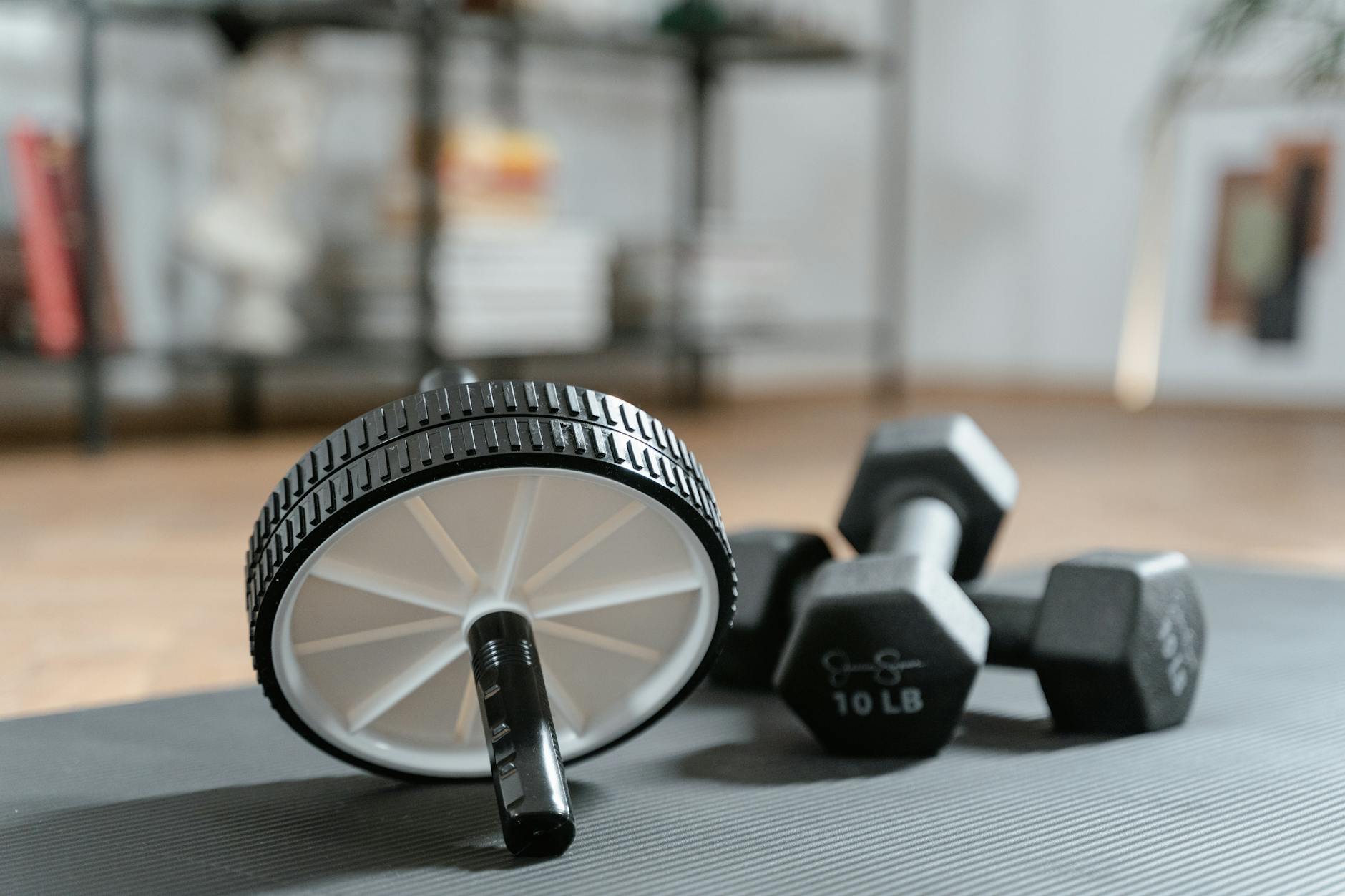
Building a home gym has never been more accessible or affordable than it is in 2026. Whether you’re looking to save money, save time, or simply prefer exercising in the comfort of your own space, a sustainable home gym setup can transform your fitness journey. This comprehensive guide will walk you through everything you need to know to get started.
Why a Home Gym Makes Sense in 2026
In 2026, more people than ever are prioritizing flexibility and sustainability in their fitness routines. The home gym industry has evolved dramatically, offering eco-friendly equipment options and innovative technology that makes working out at home just as effective as traditional gym memberships.
A sustainable home gym isn’t just about environmental responsibility—it’s about creating a fitness solution that works for your lifestyle long-term. By investing in quality equipment and establishing consistent routines, you’re building habits that last.
Assessing Your Space and Budget
Evaluate Your Available Space
Before purchasing any equipment, honestly assess the space you have available. You don’t need a dedicated room; even a corner of your bedroom or living room can work. Measure your space and consider:
- Ceiling height for exercises like overhead presses
- Floor space for movements requiring lateral motion
- Storage solutions for equipment when not in use
- Ventilation and temperature control
Setting a Realistic Budget
You can start a functional home gym for under $500 in 2026. However, sustainability means investing in equipment that will last. Allocate your budget across:
- Essential equipment (40%)
- Secondary equipment (35%)
- Accessories and upgrades (25%)
Essential Equipment for Beginners
Dumbbells and Adjustable Weights
Adjustable dumbbells are the cornerstone of any home gym. They save space, reduce cost, and provide versatility for virtually every exercise. In 2026, modern adjustable dumbbells use innovative pin-and-dial systems that make weight changes seamless.
Start with a range of 5-50 pounds if you’re new to strength training. This range accommodates exercises for all major muscle groups.
Resistance Bands
Resistance bands are affordable, durable, and incredibly versatile. They’re perfect for:
- Strength training
- Rehabilitation exercises
- Mobility work
- Assisted pull-ups
Invest in a set with multiple resistance levels. Quality bands from reputable manufacturers in 2026 can last for years with proper care.
Exercise Mat or Yoga Mat
A high-quality, eco-friendly mat is essential for floor exercises, stretching, and protecting your flooring. Look for non-toxic, sustainable materials that provide adequate cushioning.
Pull-Up Bar
A doorway pull-up bar is one of the most affordable yet effective pieces of equipment. It enables upper body strength development and doesn’t require installation or floor space.
Secondary Equipment to Consider
Kettlebells
Kettlebells offer unique benefits for functional strength and cardiovascular conditioning. A single kettlebell in the 25-35 pound range can provide years of training variety.
Bench
An adjustable weight bench expands your exercise options significantly. Look for benches that incline, decline, and fold for storage—a crucial feature for sustainable home gyms.
Cardio Equipment
Unless you have significant space, consider:
- Jump rope (minimal space, maximum effectiveness)
- Rowing machine (space-efficient, full-body workout)
- Stationary bike (if space allows)
Creating Your Sustainable Routine
Start with Consistency Over Intensity
The best routine is one you’ll actually follow. In 2026, fitness science confirms that consistency beats intensity for long-term results. Aim for 3-4 workouts weekly, 30-45 minutes each.
Sample Beginner Weekly Schedule
Monday – Upper Body Strength
– Dumbbell bench press
– Bent-over rows
– Shoulder press
– Bicep curls
– Tricep extensions
Wednesday – Lower Body Strength
– Goblet squats
– Deadlifts
– Lunges
– Calf raises
– Leg curls with bands
Friday – Full Body and Cardio
– Kettlebell swings
– Push-ups
– Pull-ups or assisted pull-ups
– Jump rope intervals
– Core work
Progressive Overload Principles
Sustainable progress comes from gradually increasing demands. Track your workouts and aim to:
- Add one more repetition per week
- Increase weight every 2-3 weeks
- Reduce rest periods between sets
- Improve exercise form and range of motion
Sustainable Equipment Practices
Choose Quality Over Quantity
In 2026, investing in durable, well-made equipment reduces waste. One excellent dumbbell set outlasts three cheap alternatives while saving money and environmental impact.
Proper Equipment Maintenance
- Store equipment in a dry environment
- Clean metal surfaces regularly
- Check bands for tears before use
- Keep your mat clean and stored properly
Eco-Friendly Alternatives
Look for equipment made from recycled materials or sustainable sources. Many manufacturers in 2026 offer:
- Recycled rubber weights
- Biodegradable yoga mats
- Sustainably-sourced wood benches
Tracking Progress and Staying Motivated
Use Technology Wisely
In 2026, fitness apps and wearables can enhance your home gym experience without replacing the fundamentals. Consider:
- Workout tracking apps
- Fitness smartwatches
- Video coaching platforms
Keep a Training Journal
Simple note-taking of exercises, weights, and reps provides tangible evidence of progress and keeps you accountable.
Set SMART Goals
Specific, Measurable, Achievable, Relevant, and Time-bound goals keep your routine sustainable and meaningful.
Conclusion
Creating a sustainable home gym in 2026 is an investment in your health and lifestyle. Start with essential equipment, commit to a consistent routine, and gradually expand as your fitness grows. The beauty of a home gym is that it adapts to your life—not the other way around.
Remember, the best gym is the one you’ll actually use. By following this beginner’s guide and prioritizing sustainability, you’re setting yourself up for long-term fitness success. Your home gym journey starts today.
Sources and Further Reading
Frequently Asked Questions
What is How to Create a Sustainable Home Gym Set?
How to Create a Sustainable Home Gym Set refers to a set of concepts and practices relevant to health. Understanding the fundamentals helps you apply these techniques effectively in real-world situations.
Who benefits most from How to Create a Sustainable Home Gym Set?
Anyone working in or interested in health can benefit. Beginners gain foundational knowledge, while experienced practitioners find actionable guidance for common challenges.
What are the key steps to get started with How to Create a Sustainable Home Gym Set?
Start by understanding the core principles, then apply them incrementally. Focus on measurable outcomes and iterate based on what you observe in practice.