In 2026, the plant-based protein revolution has evolved far beyond bland tofu and tasteless protein powders. Whether you’re transitioning to a vegetarian diet, exploring flexitarianism, or simply looking to diversify your protein intake, today’s plant-based options offer incredible flavor and nutritional benefits that rival their animal-based counterparts.
The global plant-based protein market has expanded dramatically, with innovations making it easier than ever to enjoy delicious, protein-rich meals without compromise. Let’s explore the best-tasting plant-based proteins that should be staples in your 2026 kitchen.
1. Tempeh: The Umami Powerhouse
Often overshadowed by tofu, tempeh is a fermented soybean cake that delivers robust, nutty flavors and impressive protein content—about 19 grams per 100 grams. Unlike tofu, tempeh has a firm texture that holds up beautifully to grilling, pan-frying, or marinating.
Why It Tastes Better
Tempeh’s fermentation process creates complex flavors that actually benefit from seasoning and cooking methods. When you pan-fry tempeh with soy sauce, garlic, and sesame oil, you get crispy edges and a savory depth that satisfies even skeptical palates.
2. Hemp Seeds: Nature’s Complete Protein
Hemp seeds contain all nine essential amino acids, making them a complete protein source with approximately 10 grams of protein per three tablespoons. In 2026, hemp seed products have become increasingly refined and palatable.
Culinary Applications
Sprinkle hemp seeds on salads, blend them into smoothie bowls, or add them to energy balls for a subtle, pleasant nutty flavor that enhances rather than dominates dishes.
3. Nutritional Yeast: The Cheesy Alternative
Nutritional yeast has become a kitchen staple for plant-based eaters seeking that savory, cheese-like flavor. With about 8 grams of protein per two tablespoons, it’s also fortified with B vitamins, including B12.
Flavor Profile
This ingredient delivers umami richness that makes it perfect for popcorn seasoning, pasta dishes, or creamy sauces. The 2026 market offers superior varieties with improved taste compared to earlier versions.
4. Lentils: The Versatile Legume
Lentils remain one of the most underrated plant proteins, offering 18 grams of protein per cooked cup. They’re available in red, green, and black varieties, each with distinct flavor profiles and cooking times.
Culinary Versatility
Red lentils create creamy curries, green lentils maintain texture in salads, and black lentils add earthiness to grain bowls. Their natural flavor pairs beautifully with spices, making them incredibly adaptable to various cuisines.
5. Chickpeas: The Crowd-Pleaser
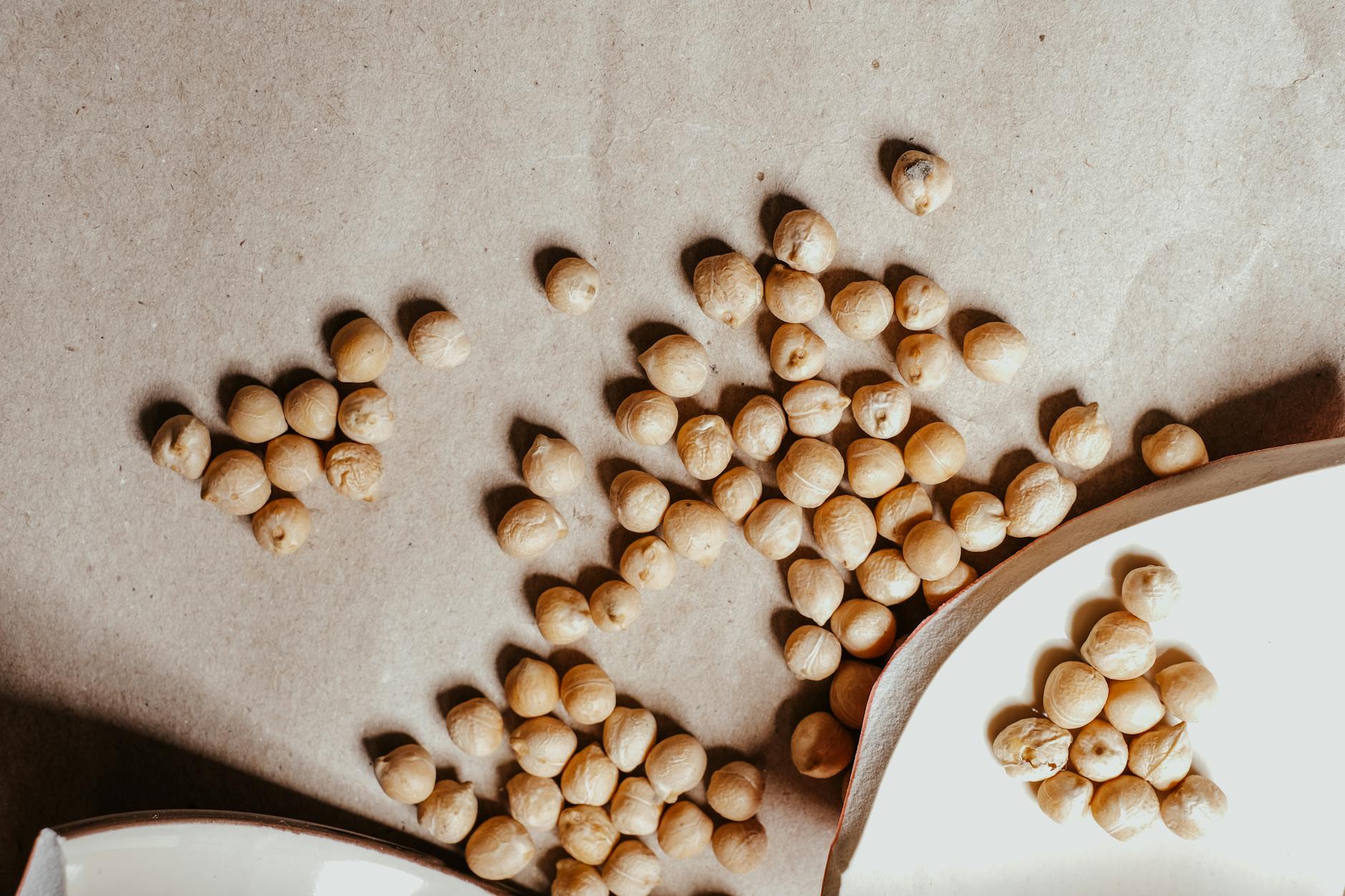
With approximately 15 grams of protein per cooked cup, chickpeas are incredibly versatile. From hummus to roasted snacks to curry bases, chickpeas adapt to virtually any flavor profile.
Why People Love Them
Chickpeas have a mild, slightly sweet flavor that doesn’t require heavy seasoning. They’re equally at home in Mediterranean, Indian, or Middle Eastern dishes, making them perfect for exploring diverse cuisines.
6. Pumpkin Seeds: The Crunchy Protein
Pumpkin seeds, or pepitas, pack approximately 9 grams of protein per quarter cup, along with magnesium and iron. They’re naturally delicious without extensive processing.
Best Uses
Enjoy them roasted with sea salt as a snack, ground into plant-based milk, or added to granola for satisfying crunch and subtle, pleasant flavor.
7. Spirulina: The Nutrient-Dense Superfood
This blue-green algae contains about 4 grams of protein per tablespoon, making it one of the most protein-dense foods available. In 2026, spirulina products have improved significantly in taste and mixability.
Flavor Considerations
While spirulina has a distinctive taste, modern formulations and creative applications—like spirulina energy balls or smoothie bowls with fruit—make it genuinely enjoyable.
8. Sunflower Seeds: The Everyday Protein
Sunflower seeds offer approximately 6 grams of protein per quarter cup with a pleasant, slightly sweet flavor. They’re more palatable than many seeds and require minimal processing.
Practical Applications
Add them to baked goods, sprinkle on salads, or enjoy them as a convenient snack. Their mild flavor makes them accessible to people new to plant-based eating.
9. Black Beans: The Satisfying Staple
Black beans deliver about 15 grams of protein per cooked cup with a creamy texture and mild, slightly earthy flavor. They’re foundational to countless cuisines worldwide.
Flavor Enhancement
Black beans benefit from bold seasonings like cumin, garlic, and lime. They’re perfect for tacos, soups, or as a base for plant-based burgers that actually satisfy.
10. Quinoa: The Ancient Grain Protein
Quinoa stands out among grains with a complete amino acid profile and approximately 8 grams of protein per cooked cup. Its nutty flavor and fluffy texture make it genuinely enjoyable.
Versatile Preparation
Whether served warm as a grain bowl, cold in salads, or even in breakfast porridges, quinoa’s mild, pleasant taste pairs well with virtually any flavor combination.
Building Balanced Plant-Based Meals in 2026
The key to enjoying plant-based proteins is combining them thoughtfully. Pair legumes with grains for complete amino acid profiles, incorporate seeds for healthy fats and minerals, and experiment with fermented options like tempeh for complex flavors.
Practical Tips
- Batch cook lentils and beans on weekends for quick meal assembly
- Season generously to enhance natural flavors
- Try new recipes regularly to prevent meal fatigue
- Combine proteins for nutritional completeness and flavor variety
- Invest in quality products—better-tasting options are worth the investment
The 2026 Plant-Based Advantage
In 2026, plant-based eating isn’t about sacrifice—it’s about abundance. The protein sources listed above offer genuine flavor satisfaction, nutritional completeness, and culinary excitement. Whether you’re fully plant-based or simply incorporating more plant proteins, these options prove that ethical and delicious eating go hand in hand.
The future of nutrition is increasingly plant-forward, and the options available today make it easier than ever to enjoy protein-rich meals that taste genuinely good. Start experimenting with these sources today and discover your new favorite proteins.
Sources and Further Reading
Frequently Asked Questions
What is 10 Plant-Based Protein Sources That Actu?
10 Plant-Based Protein Sources That Actu refers to a set of concepts and practices relevant to health. Understanding the fundamentals helps you apply these techniques effectively in real-world situations.
Who benefits most from 10 Plant-Based Protein Sources That Actu?
Anyone working in or interested in health can benefit. Beginners gain foundational knowledge, while experienced practitioners find actionable guidance for common challenges.
What are the key steps to get started with 10 Plant-Based Protein Sources That Actu?
Start by understanding the core principles, then apply them incrementally. Focus on measurable outcomes and iterate based on what you observe in practice.