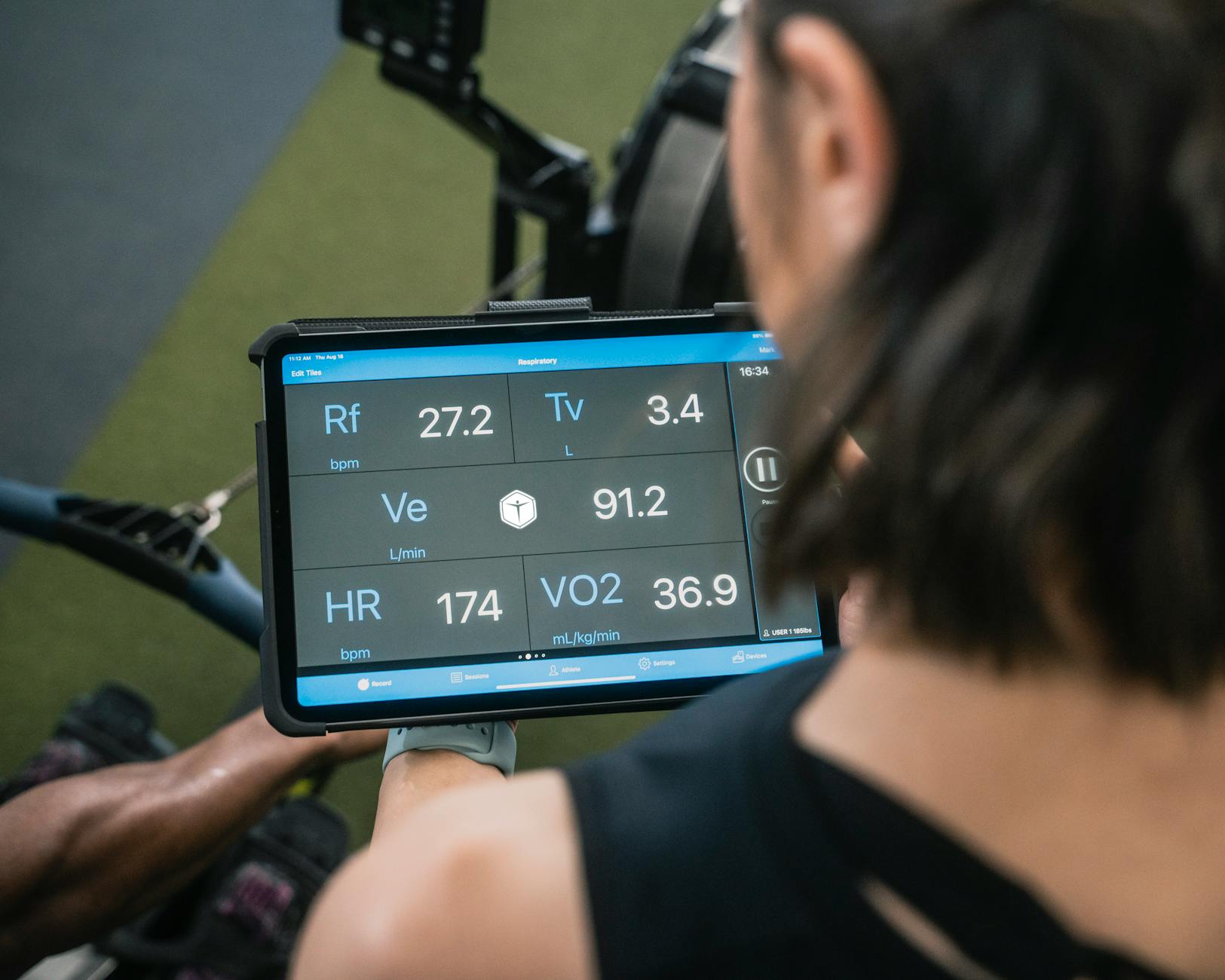
In 2026, artificial intelligence has revolutionized the fitness industry, making personalized coaching more accessible and affordable than ever before. Gone are the days when working with a personal trainer required expensive gym memberships or one-on-one sessions. Today, AI-powered fitness coaching platforms deliver customized workout plans, real-time form correction, and adaptive training programs directly to your phone or wearable device.
This comprehensive guide will walk you through building a personalized fitness routine using AI coaching in 2026, helping you achieve your health goals with unprecedented precision and efficiency.
Understanding AI Fitness Coaching in 2026
What Is AI Fitness Coaching?
AI fitness coaching represents a significant leap forward in how we approach personal health and wellness. These intelligent systems use machine learning algorithms, biometric data analysis, and advanced biomechanics to create truly personalized workout experiences. Unlike generic fitness apps, modern AI coaches in 2026 learn from your performance, preferences, and body’s response to exercise.
The technology analyzes thousands of data points including your heart rate variability, recovery patterns, movement quality, and progress metrics to continuously refine your training program. This level of personalization was previously only available to elite athletes and those with substantial budgets.
How AI Coaches Differ from Traditional Training
Traditional personal trainers offer valuable expertise, but they’re limited by time and availability. AI coaches provide 24/7 guidance without fatigue or distraction. They adapt instantly to your changing fitness level, injury status, and life circumstances—factors that would require multiple sessions to communicate with a human trainer.
In 2026, the most advanced AI coaching platforms combine computer vision technology with wearable integration, allowing your AI coach to assess your form in real-time, provide immediate feedback, and adjust difficulty on the fly.
Getting Started with AI Coaching
Step 1: Choose the Right AI Coaching Platform
The AI fitness market in 2026 offers numerous options, each with different specializations. Consider these factors when selecting a platform:
Specialization: Some AI coaches focus on strength training, while others excel at endurance, flexibility, or sports-specific conditioning. Identify your primary fitness goal and choose a platform that specializes in that area.
Integration Capabilities: The best AI coaching platforms integrate with popular wearables like smartwatches, fitness trackers, and biometric monitors. This integration allows your coach to access continuous health data.
User Interface: Since you’ll interact with your AI coach regularly, the app’s usability matters significantly. Look for platforms with intuitive interfaces and clear workout visualizations.
Cost Structure: AI coaching pricing in 2026 ranges from free basic versions to premium subscriptions. Determine your budget and compare features across different price tiers.
Step 2: Complete a Comprehensive Health Assessment
Once you’ve selected your platform, most AI coaches begin with an extensive assessment. This typically includes:
- Your current fitness level and exercise experience
- Health history and any existing injuries or limitations
- Available equipment and workout environment
- Time availability and schedule preferences
- Specific fitness goals with measurable targets
- Dietary preferences and nutritional goals
- Sleep patterns and recovery capacity
The more detailed information you provide, the more accurate and effective your AI coach’s recommendations will be. Don’t skip or minimize this step—it’s the foundation of your personalized program.
Building Your Personalized Fitness Routine
Step 3: Let AI Analyze Your Baseline
Most advanced AI platforms in 2026 include baseline testing protocols. Your coach may guide you through:
- A fitness assessment workout to gauge your current strength and endurance
- Movement quality tests to identify imbalances or mobility restrictions
- Recovery testing to understand your body’s adaptation capacity
This baseline data becomes the reference point for all future adjustments and progress tracking.
Step 4: Establish Clear, Measurable Goals
Work with your AI coach to define SMART goals:
- Specific: Instead of “get stronger,” aim for “increase bench press by 25 pounds”
- Measurable: Use quantifiable metrics your AI coach can track
- Achievable: Set realistic timelines based on your current fitness level
- Relevant: Ensure goals align with your lifestyle and priorities
- Time-bound: Establish clear deadlines for achievement
Your AI coach will break these goals into smaller milestones and adjust your weekly programming accordingly.
Step 5: Follow Your Adaptive Training Plan
Your AI coach generates a detailed weekly schedule accounting for:
Workout Frequency: Based on your recovery capacity and goals, typically 3-6 sessions per week.
Exercise Selection: Movements chosen specifically for your goals, equipment availability, and movement quality.
Progressive Overload: Systematic increases in volume, intensity, or complexity to drive continued adaptation.
Active Recovery: Scheduled rest days and low-intensity sessions to optimize recovery.
Periodization: Strategic variation in training focus across weeks and months to prevent plateaus.
Maximizing Your AI Coaching Experience
Leverage Real-Time Form Feedback
In 2026, most premium AI platforms use smartphone cameras or wearable sensors to analyze your movement in real-time. During workouts, your AI coach can:
- Correct form errors before they cause injury
- Provide verbal cues for technique improvement
- Adjust exercise difficulty based on execution quality
- Alert you to compensation patterns or imbalances
This real-time feedback accelerates learning and prevents the development of poor movement patterns.
Sync Your Biometric Data
Connect your smartwatch, fitness tracker, or health monitoring device to your AI coaching platform. This integration provides your coach with:
- Continuous heart rate data
- Sleep quality and duration metrics
- Recovery indicators
- Stress levels
- Daily activity levels
Your AI coach uses this information to adjust training intensity and recommend recovery strategies.
Communicate Progress and Challenges
Regularly update your AI coach about:
- How you felt during workouts
- Any pain or discomfort
- Changes in schedule or available time
- Motivation levels
- Dietary adherence
This feedback loop allows your coach to make informed adjustments rather than following a static plan.
Common Mistakes to Avoid
Ignoring Recovery Recommendations: Your AI coach prioritizes recovery because it’s essential for progress. Don’t skip recommended rest days or push through fatigue.
Inconsistent Data Logging: The more accurate your input, the better your coach’s recommendations. Log workouts, meals, and sleep consistently.
Unrealistic Expectations: AI coaching accelerates results, but sustainable fitness still requires patience. Trust the process and maintain consistency.
Neglecting Nutrition: Your AI coach can optimize training, but nutrition remains crucial. Follow dietary recommendations for optimal results.
The Future of AI Fitness Coaching
As we move through 2026, AI fitness coaching continues evolving. Emerging technologies include:
- Advanced biometric sensors integrated into clothing
- Predictive injury prevention algorithms
- Nutrition optimization based on genetic data
- Virtual reality workout environments
- AI coaches that coordinate with your physician and therapist
Conclusion
Building a personalized fitness routine using AI coaching in 2026 represents the democratization of elite-level training. By selecting the right platform, providing comprehensive information, and maintaining consistent engagement, you can access coaching previously available only to professional athletes.
Your AI coach adapts to your unique body, schedule, and goals, providing the precise guidance needed for sustainable progress. Start your journey today and experience how artificial intelligence can transform your fitness results.
Sources and Further Reading
Frequently Asked Questions
What is Build a Personalized Fitness Routine Usi?
Build a Personalized Fitness Routine Usi refers to a set of concepts and practices relevant to health. Understanding the fundamentals helps you apply these techniques effectively in real-world situations.
Who benefits most from Build a Personalized Fitness Routine Usi?
Anyone working in or interested in health can benefit. Beginners gain foundational knowledge, while experienced practitioners find actionable guidance for common challenges.
What are the key steps to get started with Build a Personalized Fitness Routine Usi?
Start by understanding the core principles, then apply them incrementally. Focus on measurable outcomes and iterate based on what you observe in practice.