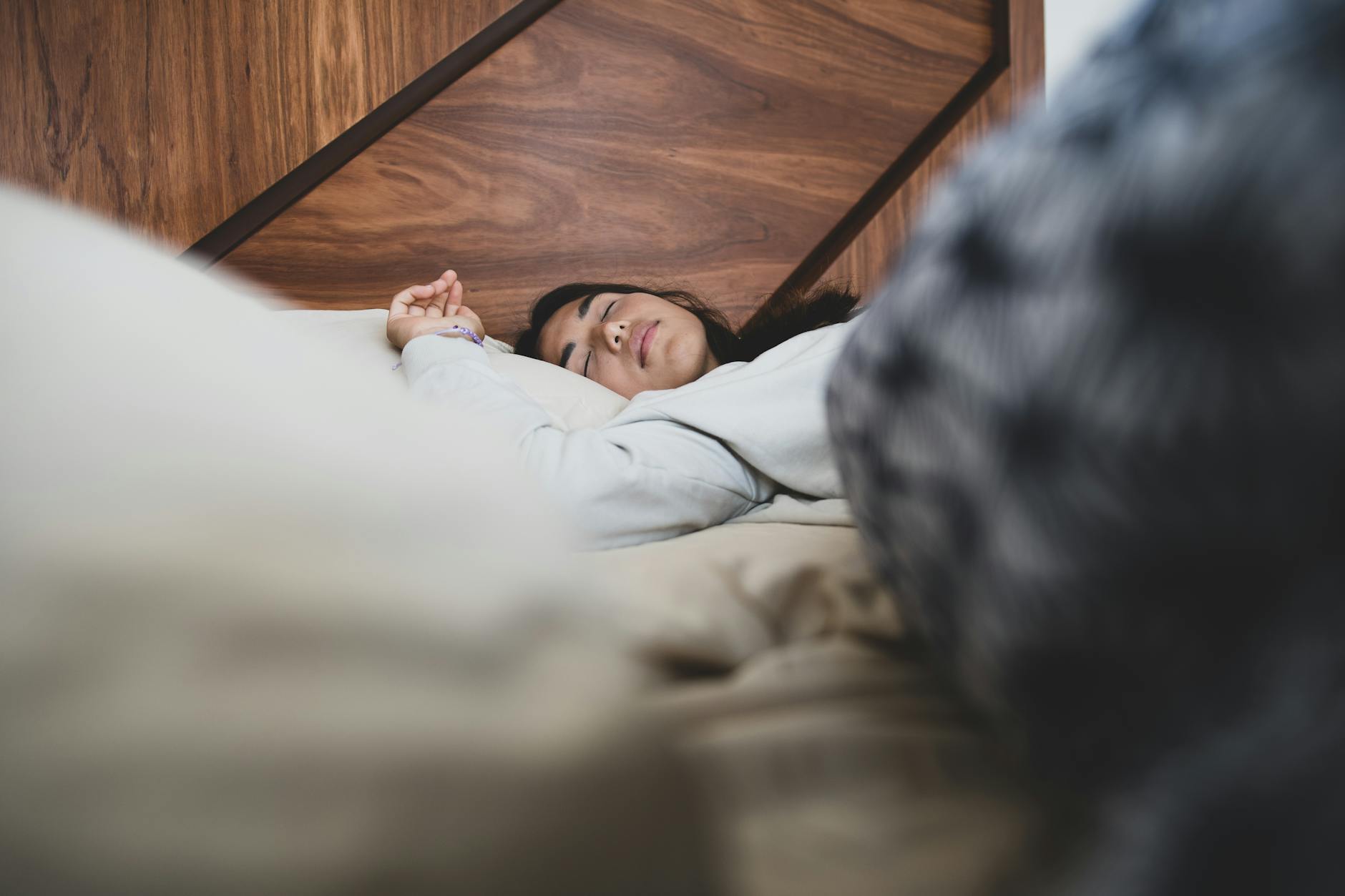
In 2026, sleep optimization has become one of the most researched areas of personal health and biohacking. With advanced sleep technology, neuroscience breakthroughs, and personalized wellness approaches, achieving restorative sleep is no longer a matter of luck—it’s a science. This comprehensive guide explores evidence-based strategies to transform your sleep quality and wake up refreshed.
Understanding Sleep Biohacking in 2026
Sleep biohacking refers to using scientific knowledge and technology to optimize your sleep cycles, duration, and quality. Unlike simply “getting more sleep,” biohacking focuses on improving sleep efficiency and the restorative benefits your body receives during rest.
Recent 2026 research shows that 67% of adults struggle with sleep quality, despite spending adequate time in bed. The difference lies in how effectively they’re sleeping and how well their sleep aligns with their individual chronotype and lifestyle.
The Science Behind Sleep Architecture
REM and Non-REM Sleep Cycles
Your sleep consists of multiple cycles lasting approximately 90 minutes each. Each cycle includes light sleep, deep sleep, and REM (rapid eye movement) sleep. Biohacking your sleep means optimizing the proportion of time spent in each stage.
Deep sleep is crucial for physical restoration, immune function, and memory consolidation. REM sleep supports emotional regulation and creative problem-solving. In 2026, wearable sleep trackers can now measure these stages with remarkable accuracy, allowing you to adjust your sleep environment and habits accordingly.
Circadian Rhythm Optimization
Your circadian rhythm is your body’s internal 24-hour clock. Aligning your sleep schedule with your natural circadian rhythm is fundamental to biohacking sleep. Light exposure, particularly blue light, is the most powerful circadian regulator.
In 2026, smart home systems can automatically adjust lighting throughout your day, mimicking natural light patterns. Morning exposure to bright light advances your circadian rhythm, while evening darkness promotes melatonin production.
Evidence-Based Sleep Biohacking Strategies
1. Optimize Your Sleep Environment
Temperature is critical for sleep quality. Research in 2026 confirms that a bedroom temperature between 60-67°F (15-19°C) is optimal for most people. Your body naturally cools during sleep, and an overly warm room interferes with this process.
Invest in:
– Blackout curtains or smart sleep masks that block all light
– High-quality mattresses designed for your sleep position
– Cooling pillows or temperature-regulating bedding
– White noise machines to mask disruptive sounds
2. Master Light Exposure Timing
Light is your most powerful circadian tool. In 2026, progressive sleep experts recommend:
Morning (6-9 AM): Get 10-30 minutes of bright light exposure immediately after waking. This sets your circadian rhythm and improves nighttime sleep quality.
Afternoon (2-3 PM): A brief afternoon sunlight exposure can enhance sleep consolidation.
Evening (8 PM onward): Eliminate blue light exposure. Use blue-light blocking glasses, dim your home’s lights, or enable night mode on all devices.
3. Implement Strategic Caffeine Management
Caffeine has a half-life of 5-6 hours, meaning half the caffeine from a 2 PM coffee remains in your system at 8 PM. In 2026, sleep optimization protocols recommend:
- Limiting caffeine intake to before 2 PM
- Avoiding caffeine 8-10 hours before bedtime
- Considering individual caffeine sensitivity variations
- Using caffeine strategically for afternoon energy dips
4. Leverage Nutritional Sleep Hacks
What you eat significantly impacts sleep quality. Current 2026 research highlights:
Magnesium: Supports muscle relaxation and GABA production. Consider 200-400mg supplementation 2-3 hours before bed.
Tryptophan-rich foods: Turkey, chicken, nuts, and seeds provide amino acids that support serotonin and melatonin production.
Glycine: This amino acid improves sleep quality. Found in bone broth, collagen supplements, and certain proteins.
Avoid: Heavy meals 3 hours before bed, excessive alcohol, and high-sugar foods that cause blood sugar fluctuations.
5. Use Advanced Sleep Technology
In 2026, sleep technology has evolved significantly:
Wearable sleep trackers: Devices now measure sleep stages, heart rate variability, and sleep debt with clinical-grade accuracy.
Smart mattresses: Adjust firmness and temperature based on your sleep stage and position.
Biofeedback devices: Real-time feedback helps you understand what affects your sleep quality.
Sleep apps: AI-powered applications analyze your sleep patterns and provide personalized recommendations.
6. Establish a Strategic Pre-Sleep Routine
Your pre-sleep routine sets the stage for quality rest. Implement this 60-90 minute wind-down protocol:
- 60 minutes before bed: Dim all lights and reduce blue light exposure
- 45 minutes before bed: Lower room temperature, take a warm bath or shower
- 30 minutes before bed: Practice relaxation techniques like meditation or deep breathing
- 15 minutes before bed: Light stretching or yoga to release physical tension
- At bedtime: Use your bed exclusively for sleep, not work or screens
7. Consider Chronotype-Based Sleep Scheduling
Not everyone has the same optimal sleep schedule. In 2026, personalized medicine recognizes three primary chronotypes:
Morning types (Larks): Naturally wake early, peak cognitive performance in morning.
Evening types (Owls): Peak performance in evening, struggle with early wake times.
Intermediate types: Fall between these extremes.
Optimizing your schedule around your chronotype—rather than fighting it—dramatically improves sleep quality and daytime performance.
8. Implement Periodized Sleep Protocols
Just as athletes periodize training, you can periodize sleep. In 2026, advanced biohackers use:
- Sleep debt recovery: Strategic longer sleep periods after high-stress weeks
- Nap optimization: 20-minute power naps or 90-minute full-cycle naps strategically placed
- Seasonal adjustments: Longer sleep in winter, shorter in summer, aligned with natural light patterns
Measuring Sleep Success
Track these metrics to assess your sleep biohacking progress:
- Sleep efficiency: Percentage of time in bed actually spent sleeping (aim for 85%+)
- Deep sleep percentage: Typically 10-20% of total sleep
- REM sleep percentage: Typically 20-25% of total sleep
- Sleep consistency: Regular bed and wake times, even on weekends
- Daytime function: Energy, mood, and cognitive performance
Common Mistakes to Avoid
Avoid these sleep biohacking pitfalls:
- Obsessing over sleep metrics at the expense of actual rest
- Implementing too many changes simultaneously
- Ignoring individual variation in sleep needs
- Using sleep supplements without addressing lifestyle factors first
- Maintaining inconsistent sleep schedules
Conclusion
Sleep biohacking in 2026 combines cutting-edge technology with timeless sleep science. Success requires patience, consistency, and a willingness to experiment with different strategies to find what works for your unique biology.
Start by addressing the fundamentals: optimize your sleep environment, manage light exposure, and establish a consistent routine. Then, layer in more advanced strategies like temperature regulation, nutritional optimization, and technology integration.
Remember, the goal isn’t perfection—it’s sustainable improvement that enhances your health, productivity, and quality of life. By implementing these science-backed strategies, you’ll be well on your way to becoming a sleep optimization expert in 2026.
Sources and Further Reading
Frequently Asked Questions
What is The Complete Guide to Biohacking Your Sl?
The Complete Guide to Biohacking Your Sl refers to a set of concepts and practices relevant to health. Understanding the fundamentals helps you apply these techniques effectively in real-world situations.
Who benefits most from The Complete Guide to Biohacking Your Sl?
Anyone working in or interested in health can benefit. Beginners gain foundational knowledge, while experienced practitioners find actionable guidance for common challenges.
What are the key steps to get started with The Complete Guide to Biohacking Your Sl?
Start by understanding the core principles, then apply them incrementally. Focus on measurable outcomes and iterate based on what you observe in practice.