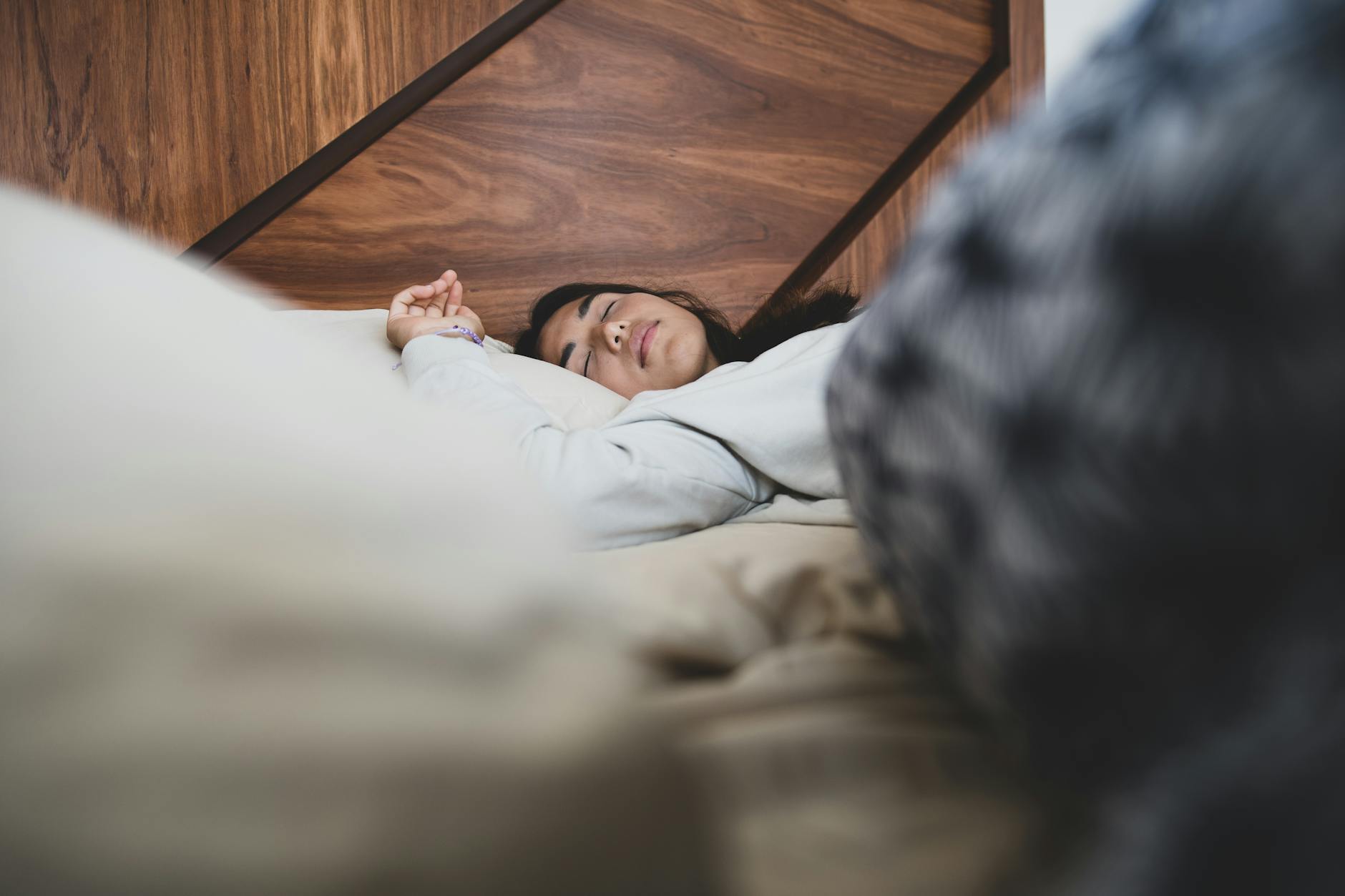
In 2026, sleep has become more critical than ever. With increasing stress levels, digital distractions, and demanding work schedules, millions of people struggle to get quality rest. If you’re among them, this comprehensive guide will transform your sleep habits and help you achieve the restorative sleep your body desperately needs.
Why Sleep Optimization Matters in 2026
According to recent sleep studies, approximately 35% of adults in 2026 report experiencing sleep disorders. Poor sleep doesn’t just leave you feeling tired—it impacts your immune system, cognitive function, metabolism, and mental health. The good news? Sleep optimization is entirely within your control.
The science of sleep has evolved dramatically. Today’s sleep experts understand that quality rest isn’t about hours alone; it’s about implementing strategic techniques that enhance sleep architecture and circadian rhythm alignment.
1. Master Your Sleep Schedule
Consistency is the foundation of better sleep. Going to bed and waking up at the same time daily—even on weekends—trains your body’s internal clock. In 2026, sleep tracking technology has made this easier than ever.
Aim for 7-9 hours nightly. Your body thrives on predictability, so establish a non-negotiable sleep schedule and stick to it for at least 30 days to see significant improvements.
2. Optimize Your Sleep Environment
Your bedroom should be a sanctuary for sleep. Consider these environmental factors:
Temperature Control
Keep your bedroom between 60-67°F (15-19°C). This temperature range promotes deeper sleep and faster sleep onset.
Darkness and Light
Complete darkness triggers melatonin production. Invest in blackout curtains or an eye mask. If you use devices, enable blue light filters after sunset.
Sound Management
White noise machines, earplugs, or ambient sounds can mask disruptive noises. Many people in 2026 use smart home systems to create optimal acoustic environments.
3. Implement Strategic Light Exposure
Light exposure directly influences your circadian rhythm. Get 15-30 minutes of natural sunlight within two hours of waking. This signals your body to be alert during the day and promotes melatonin production at night.
Conversely, minimize blue light exposure 2-3 hours before bed. Your phone, laptop, and smart devices emit wavelengths that suppress melatonin. Use night mode settings or blue light glasses.
4. Perfect Your Pre-Sleep Routine
A consistent wind-down routine signals your body that sleep is approaching. Begin 30-60 minutes before bedtime:
- Dim the lights gradually
- Practice deep breathing exercises
- Read a physical book
- Try gentle stretching or yoga
- Journal your thoughts
This transition period is crucial for mental preparation and stress reduction.
5. Manage Caffeine and Alcohol Consumption
Caffeine has a half-life of 5-6 hours, meaning half the caffeine you consume at 2 PM remains in your system at 7 PM. Avoid caffeine after 2 PM for optimal sleep.
While alcohol might help you fall asleep, it severely disrupts sleep quality. It suppresses REM sleep and causes frequent awakenings. Limit alcohol consumption, especially within 3 hours of bedtime.
6. Exercise Regularly—But Time It Right
Regular physical activity improves sleep quality dramatically. However, timing matters. Exercise 3-4 hours before bedtime allows your body temperature and cortisol levels to normalize.
Aim for 150 minutes of moderate aerobic activity weekly. In 2026, many people use fitness trackers that correlate exercise timing with sleep metrics.
7. Optimize Your Nutrition for Sleep
Certain foods promote sleep by increasing serotonin and melatonin production:
- Magnesium-rich foods: almonds, spinach, pumpkin seeds
- Tryptophan sources: turkey, chicken, eggs, cheese
- Complex carbohydrates: whole grains, oats, sweet potatoes
- Omega-3 fatty acids: salmon, walnuts, flaxseeds
Avoid large meals 2-3 hours before bed. Light snacks are acceptable, but heavy foods cause discomfort and disrupted sleep.
8. Try Meditation and Mindfulness Practices
Mindfulness-based stress reduction (MBSR) has shown remarkable results for sleep improvement. Apps like Headspace and Calm have become mainstream in 2026, offering guided meditations specifically designed for sleep.
Spend 10-15 minutes daily practicing meditation. This reduces anxiety, lowers cortisol levels, and prepares your mind for restful sleep.
9. Control Your Bedroom Humidity
Optimal humidity levels range from 40-60%. Too dry air irritates airways and disrupts sleep; too humid air promotes mold and dust mites. A humidifier or dehumidifier maintains the sweet spot.
10. Use Temperature Fluctuation Strategically
Your body naturally cools before sleep. Take a warm bath or shower 1-2 hours before bed. The subsequent temperature drop signals sleep time and helps you fall asleep faster.
Some advanced sleepers in 2026 use smart mattresses that adjust temperature throughout the night based on sleep cycles.
11. Limit Screen Time Before Bed
The blue light from screens suppresses melatonin production. Establish a “no screens” rule 60-90 minutes before bedtime. This also reduces mental stimulation from work emails, social media, and news.
If you must use devices, enable night mode and wear blue light glasses. However, avoiding screens entirely produces superior results.
12. Consider Sleep Supplements Wisely
While lifestyle changes are primary, certain supplements support sleep:
- Melatonin: 0.5-3 mg taken 30 minutes before bed
- Magnesium glycinate: 200-400 mg nightly
- L-theanine: 100-200 mg before bed
- Valerian root: 400-900 mg in divided doses
Consult healthcare providers before starting supplements, especially if you take medications.
Implementing Your Sleep Optimization Plan
Don’t implement all 12 techniques simultaneously. Start with 2-3 changes, master them over 2-3 weeks, then gradually add more. This sustainable approach increases adherence and long-term success.
Track your sleep using apps, wearables, or a sleep journal. Monitor how each change affects your sleep quality, duration, and daytime alertness.
The Bottom Line
Sleep optimization in 2026 combines ancient wisdom with modern science. By implementing these 12 proven techniques, you’ll experience improved energy, better focus, enhanced mood, and stronger immunity. Quality sleep isn’t a luxury—it’s essential for thriving in today’s demanding world.
Start tonight. Your future self will thank you.
Sources and Further Reading
Frequently Asked Questions
What is The Ultimate Guide to Sleep Optimization?
The Ultimate Guide to Sleep Optimization refers to a set of concepts and practices relevant to health. Understanding the fundamentals helps you apply these techniques effectively in real-world situations.
Who benefits most from The Ultimate Guide to Sleep Optimization?
Anyone working in or interested in health can benefit. Beginners gain foundational knowledge, while experienced practitioners find actionable guidance for common challenges.
What are the key steps to get started with The Ultimate Guide to Sleep Optimization?
Start by understanding the core principles, then apply them incrementally. Focus on measurable outcomes and iterate based on what you observe in practice.