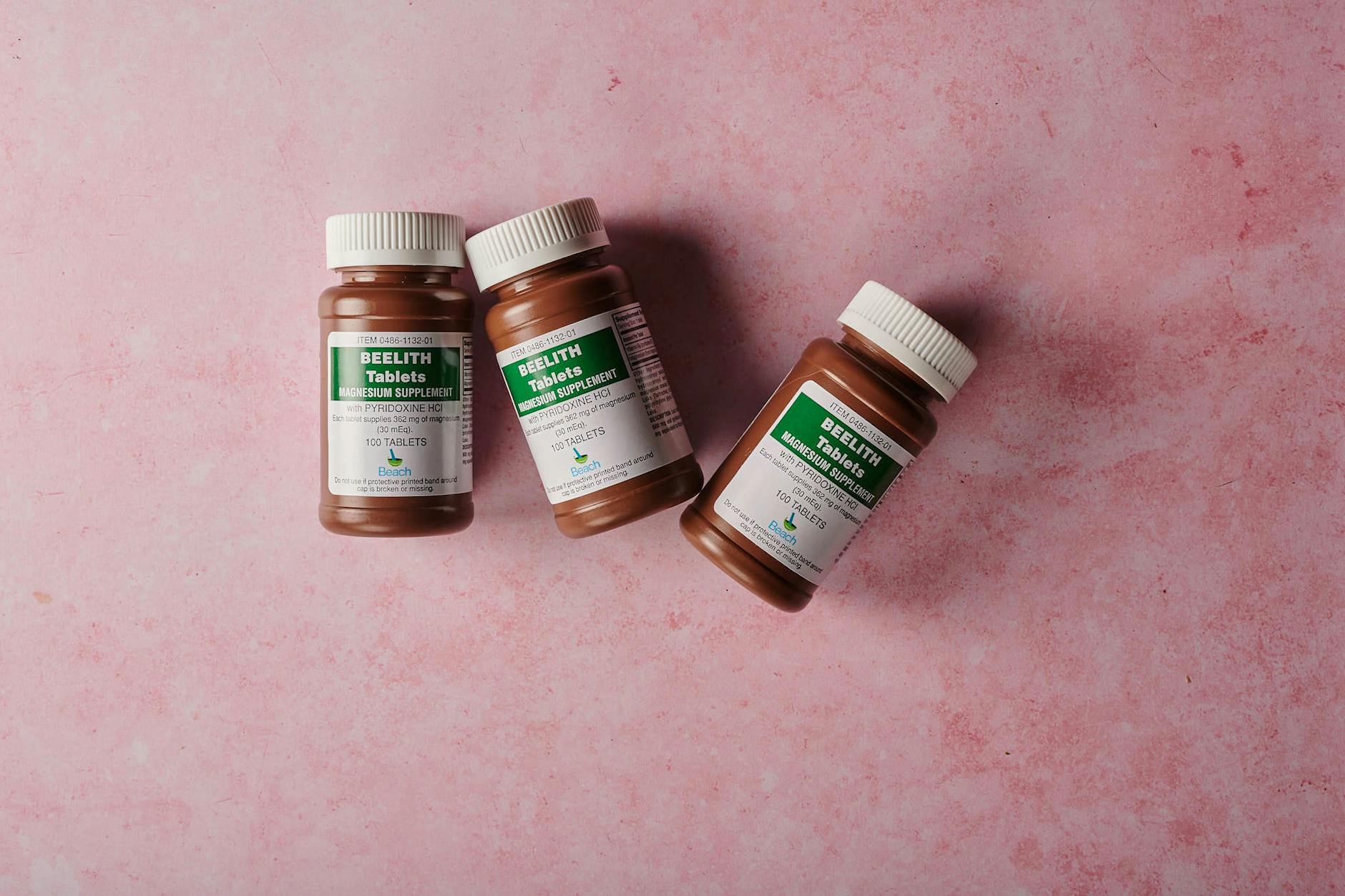
Your gut microbiome is essentially a thriving ecosystem of trillions of bacteria, fungi, and other microorganisms living in your digestive tract. In 2026, scientific research continues to reveal just how profoundly this microscopic world influences your overall health, immunity, mental well-being, and longevity. If you’re serious about optimizing your health this year, understanding and nurturing your microbiome should be at the top of your priority list.
Understanding Your Microbiome in 2026
The human microbiome has become one of the most researched areas in modern medicine. Recent 2026 studies demonstrate that a healthy microbiome directly impacts everything from your immune response to your mental health, metabolism, and even your ability to fight chronic diseases.
A balanced microbiome contains a diverse collection of beneficial bacteria that work together to:
- Support digestive health and nutrient absorption
- Strengthen your immune system
- Produce essential vitamins like B12 and K2
- Regulate inflammation throughout your body
- Support mental health through the gut-brain axis
- Maintain healthy weight management
The challenge is that modern lifestyles—including processed foods, stress, antibiotics, and environmental toxins—can significantly damage this delicate balance, a condition known as dysbiosis.
The Foundation: Dietary Changes for Microbiome Health
Increase Your Fiber Intake
Fiber is the primary fuel source for beneficial bacteria in your gut. In 2026, nutritionists recommend aiming for 25-35 grams of fiber daily from diverse sources. This includes:
- Leafy greens and cruciferous vegetables
- Legumes and beans
- Whole grains
- Seeds and nuts
- Berries and other fruits
The key is variety—different fiber types feed different bacterial strains, promoting greater microbial diversity, which is a hallmark of a healthy microbiome.
Embrace Fermented Foods
Fermented foods contain live beneficial bacteria that can directly colonize your gut. Include these in your daily diet:
- Yogurt with active cultures
- Kefir
- Sauerkraut and kimchi
- Tempeh and miso
- Kombucha
- Traditional fermented vegetables
These foods provide both probiotics and prebiotics, creating an optimal environment for microbial flourishing.
Reduce Ultra-Processed Foods
Ultra-processed foods containing artificial additives, high amounts of added sugars, and unhealthy fats actively harm your microbiome. Current 2026 research shows that these foods promote the growth of harmful bacteria while suppressing beneficial strains. Aim to get 80% of your calories from whole, minimally processed foods.
Include Polyphenol-Rich Foods
Polyphenols are plant compounds that act as fuel for beneficial bacteria. Incorporate these microbiome-supporting foods:
- Berries (blueberries, blackberries, raspberries)
- Red wine and tea (in moderation)
- Dark chocolate
- Olive oil
- Nuts and seeds
- Colorful vegetables
Strategic Supplementation in 2026
Probiotic Supplements
While food-based probiotics are ideal, high-quality supplements can provide additional support. When choosing a probiotic in 2026, look for:
- Multi-strain formulas (at least 10+ different strains)
- CFU count of 25-50 billion
- Third-party testing for quality assurance
- Strains like Lactobacillus and Bifidobacterium
- Proper storage to maintain viability
Take probiotics consistently for at least 8-12 weeks to see meaningful results.
Prebiotic Supplements
Prebiotics are non-digestible food components that selectively feed beneficial bacteria. Effective prebiotic supplements include:
- Inulin
- Fructooligosaccharides (FOS)
- Partially hydrolyzed guar gum (PHGG)
- Resistant starch
Start with lower doses to avoid digestive discomfort as your microbiome adjusts.
Omega-3 Fatty Acids
Omega-3 supplementation supports a healthy microbiome composition and reduces inflammation. Consider fish oil or algae-based supplements if you don’t consume enough fatty fish.
Bone Broth and Collagen
These supplements contain amino acids and compounds that support gut lining integrity, which is crucial for a healthy microbiome. Include collagen peptides or consume bone broth several times weekly.
Lifestyle Factors That Impact Your Microbiome
Sleep Quality
Poor sleep disrupts your circadian rhythm and negatively affects microbial composition. Aim for 7-9 hours of quality sleep nightly to maintain microbiome balance.
Stress Management
Chronic stress directly damages your microbiome through elevated cortisol levels. Incorporate daily stress-reduction practices:
- Meditation and mindfulness
- Yoga
- Regular exercise
- Time in nature
- Deep breathing exercises
Regular Exercise
Physical activity promotes microbial diversity and the growth of beneficial bacteria. Aim for at least 150 minutes of moderate-intensity exercise weekly.
Limit Antibiotic Use
While sometimes necessary, antibiotics significantly disrupt your microbiome. Use them only when prescribed by a healthcare provider, and always take probiotics during and after antibiotic courses.
Creating Your 2026 Microbiome Optimization Plan
Month 1: Foundation Building
Focus on dietary changes first. Increase fiber intake gradually, add fermented foods daily, and eliminate ultra-processed items. Begin a quality probiotic supplement.
Month 2-3: Expansion and Refinement
Add prebiotic supplements, increase polyphenol-rich foods, and implement stress management practices. Monitor how you feel—energy levels, digestion, and mood often improve noticeably.
Month 3+: Maintenance and Optimization
Continue with your established routine while periodically introducing new fermented foods and fiber sources to maintain microbial diversity.
Measuring Your Progress
In 2026, microbiome testing has become more accessible. Consider:
- At-home microbiome testing kits that analyze bacterial composition
- Tracking digestive health, energy levels, and mood
- Monitoring immune function (fewer colds and infections)
- Assessing skin health and mental clarity
Conclusion
Optimizing your microbiome is one of the most impactful health investments you can make in 2026. By combining strategic dietary changes, thoughtful supplementation, and healthy lifestyle practices, you can cultivate a thriving microbial ecosystem that supports your overall wellness. Remember that microbiome optimization is a marathon, not a sprint—consistency over months and years yields the most significant results. Start implementing these strategies today, and you’ll likely experience profound improvements in your digestive health, immunity, energy, and overall quality of life.
Sources and Further Reading
Frequently Asked Questions
What is The Complete 2026 Nutrition and Suppleme?
The Complete 2026 Nutrition and Suppleme refers to a set of concepts and practices relevant to health. Understanding the fundamentals helps you apply these techniques effectively in real-world situations.
Who benefits most from The Complete 2026 Nutrition and Suppleme?
Anyone working in or interested in health can benefit. Beginners gain foundational knowledge, while experienced practitioners find actionable guidance for common challenges.
What are the key steps to get started with The Complete 2026 Nutrition and Suppleme?
Start by understanding the core principles, then apply them incrementally. Focus on measurable outcomes and iterate based on what you observe in practice.