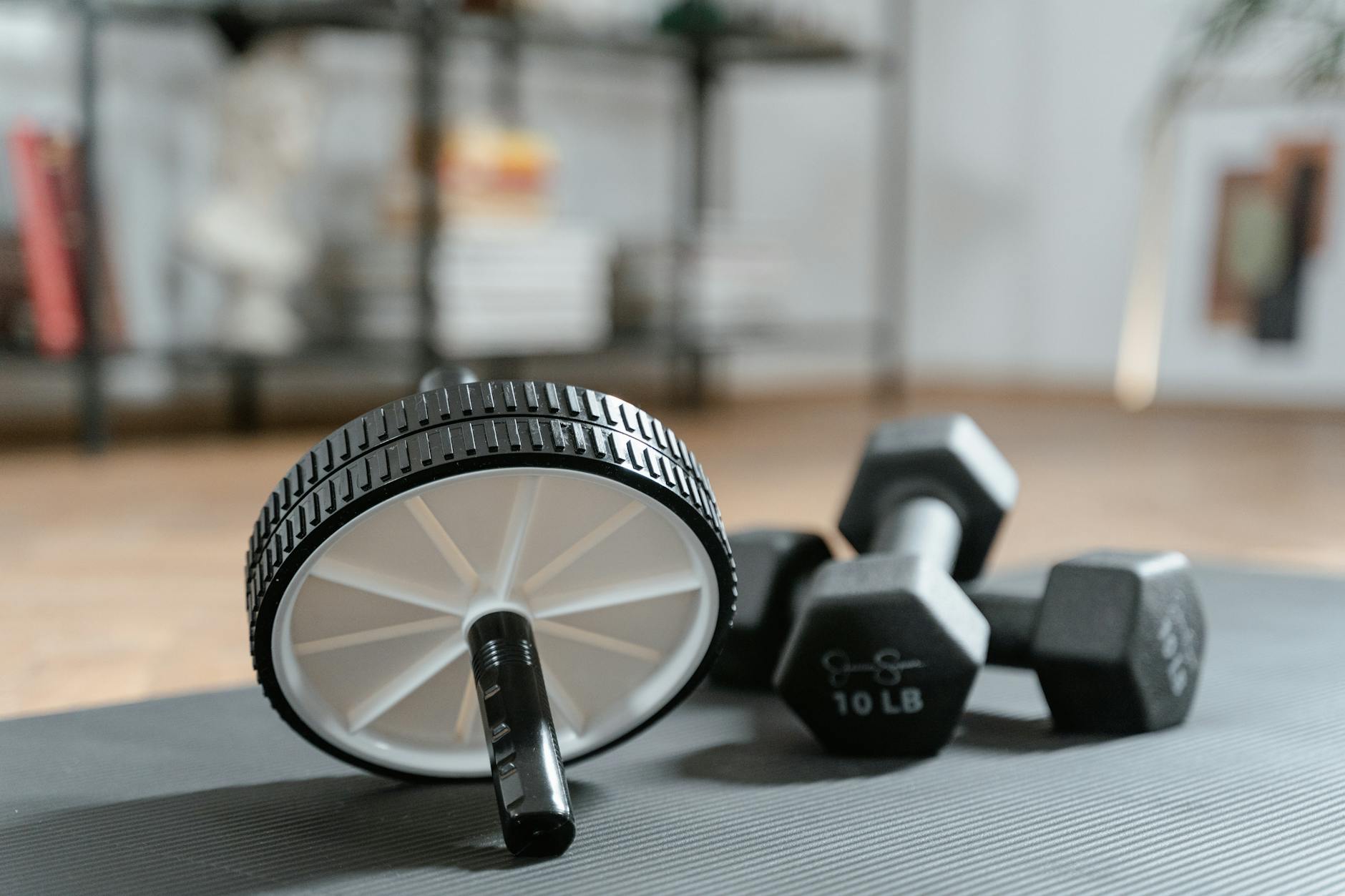
Building a sustainable home workout routine has become more important than ever in 2026. Whether you’re looking to save money, maintain privacy, or simply prefer exercising at home, bodyweight training offers incredible benefits without requiring any expensive equipment. This comprehensive guide will help you create a fitness routine that you can maintain long-term and actually enjoy.
Why Bodyweight Training Remains Relevant in 2026
In 2026, the fitness landscape has evolved significantly, yet bodyweight training continues to be one of the most effective and accessible workout methods available. Recent fitness data from 2026 shows that over 65% of fitness enthusiasts incorporate home workouts into their weekly routine, with many relying exclusively on bodyweight exercises.
The advantages are clear: no equipment needed, no gym membership fees, complete flexibility with timing, and the ability to progress at your own pace. Plus, bodyweight exercises have been proven to build functional strength, improve flexibility, and enhance cardiovascular health when programmed correctly.
Understanding the Fundamentals of Sustainable Training
Progressive Overload Without Equipment
The key to sustainable progress is implementing progressive overload—gradually increasing the difficulty of your workouts over time. In 2026, fitness experts emphasize that you don’t need weights to achieve this. Instead, focus on:
- Increasing repetitions: Perform more reps each week
- Reducing rest periods: Decrease time between sets
- Improving form: Move with greater control and range of motion
- Advancing variations: Progress to harder versions of exercises
For example, progress from standard push-ups to diamond push-ups, then to decline push-ups as you build strength.
Recovery and Consistency
Sustainability means prioritizing recovery just as much as training intensity. In 2026, the fitness community has shifted focus toward balanced approaches that prevent burnout. Aim for 3-4 quality workout sessions per week, allowing at least one full rest day. This approach supports muscle recovery, prevents overuse injuries, and maintains long-term motivation.
Designing Your Home Workout Structure
Upper Body Focused Days
Dedicate at least one workout per week to upper body development. Essential exercises include:
- Push-ups and variations: Standard, wide-grip, pike push-ups
- Bodyweight rows: Use a sturdy table or chair for inverted rows
- Planks and core work: Front planks, side planks, plank variations
- Dips: Using a chair or bench for tricep development
Perform 3-4 sets of 8-15 repetitions for each exercise, resting 60-90 seconds between sets.
Lower Body Focused Days
Lower body training is crucial for overall strength and metabolic health. Include these fundamental movements:
- Squats: Bodyweight, jump, pistol squat progressions
- Lunges: Forward, reverse, and walking variations
- Glute bridges: Single-leg and elevated variations
- Calf raises: Bodyweight or step-assisted versions
These exercises build leg strength, improve balance, and activate large muscle groups that boost metabolism.
Full Body and Cardio Sessions
Incorporate at least one full-body session weekly that combines strength and cardiovascular elements:
- Burpees: Full-body explosive movement
- Mountain climbers: Core and cardio combination
- Jumping jacks: Simple but effective cardio
- High knees: Running in place with intensity
- Bear crawls: Total body engagement
These exercises elevate heart rate while building functional strength.
Creating Your Weekly Schedule
Sample Sustainable Weekly Routine
Monday: Upper Body Focus
– 5-minute warm-up
– Push-up variations: 3 sets x 12 reps
– Inverted rows: 3 sets x 10 reps
– Pike push-ups: 3 sets x 8 reps
– Plank variations: 3 sets x 45 seconds
– 5-minute cool-down
Wednesday: Lower Body Focus
– 5-minute warm-up
– Squats: 3 sets x 15 reps
– Lunges: 3 sets x 12 reps per leg
– Glute bridges: 3 sets x 15 reps
– Calf raises: 3 sets x 20 reps
– 5-minute cool-down
Friday: Full Body & Cardio
– 5-minute warm-up
– Circuit (3 rounds, minimal rest):
– Burpees: 10 reps
– Mountain climbers: 20 reps
– Squats: 15 reps
– Push-ups: 12 reps
– 5-minute cool-down
Optional Saturday: Active Recovery
– 20-30 minute walk
– Stretching routine
– Mobility work
Nutrition and Lifestyle Factors in 2026
A sustainable workout routine requires proper nutrition. In 2026, personalized nutrition has become more accessible through apps and data tracking. Focus on:
- Adequate protein intake: 1.6-2.2 grams per kilogram of body weight for muscle building
- Whole foods: Prioritize unprocessed options
- Hydration: Drink water consistently throughout the day
- Sleep: Aim for 7-9 hours nightly for optimal recovery
Tracking Progress and Staying Motivated
Effective Tracking Methods
In 2026, fitness tracking has evolved beyond simple rep counts. Consider:
- Workout journals: Record exercises, reps, and how you felt
- Fitness apps: Many free options track workouts and progress
- Body measurements: Track changes in inches, not just weight
- Performance metrics: Monitor improvements in endurance and strength
Maintaining Long-Term Motivation
Sustainability requires mental engagement. Keep your routine fresh by:
- Varying exercise order
- Trying new movement patterns
- Setting specific, achievable goals
- Celebrating small victories
- Finding a workout community online
Common Mistakes to Avoid
Many people abandon home workout routines due to preventable mistakes:
- Doing too much too soon: Start conservatively and progress gradually
- Ignoring form: Quality beats quantity every time
- Skipping warm-ups: Proper preparation prevents injuries
- Expecting immediate results: Real progress takes 4-8 weeks to become visible
- Neglecting rest days: Recovery is when adaptation happens
Conclusion
Building a sustainable home workout routine without equipment in 2026 is entirely achievable with the right approach. By focusing on progressive overload, maintaining consistency, prioritizing recovery, and staying engaged with your fitness journey, you can develop strength and endurance that lasts years.
Remember, the best workout routine is the one you’ll actually do. Start simple, progress gradually, and adjust based on your preferences and lifestyle. Your home is a fully equipped gym when you understand how to leverage bodyweight training effectively. Commit to this sustainable approach, and you’ll build the fitness foundation that serves you well into 2026 and beyond.
Sources and Further Reading
Frequently Asked Questions
What is Build a Sustainable Home Workout Routine?
Build a Sustainable Home Workout Routine refers to a set of concepts and practices relevant to health. Understanding the fundamentals helps you apply these techniques effectively in real-world situations.
Who benefits most from Build a Sustainable Home Workout Routine?
Anyone working in or interested in health can benefit. Beginners gain foundational knowledge, while experienced practitioners find actionable guidance for common challenges.
What are the key steps to get started with Build a Sustainable Home Workout Routine?
Start by understanding the core principles, then apply them incrementally. Focus on measurable outcomes and iterate based on what you observe in practice.