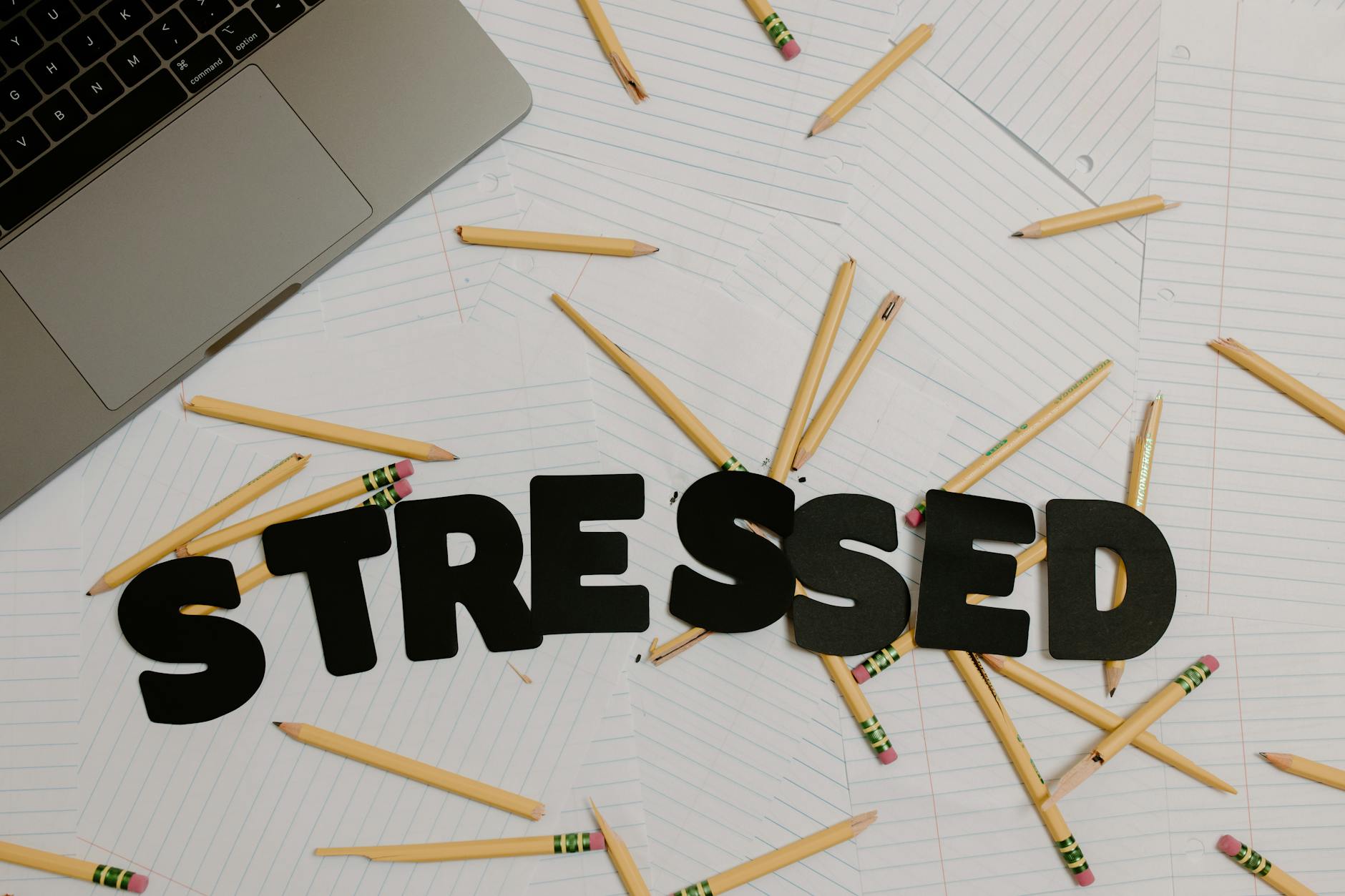
Workplace stress has reached unprecedented levels in 2026, with employees navigating hybrid work environments, digital fatigue, and constant connectivity demands. According to recent wellness surveys, nearly 73% of professionals report experiencing significant work-related stress. The good news? Effective stress management techniques are more accessible and scientifically validated than ever before.
This comprehensive guide explores evidence-based stress management strategies that deliver real results for modern workplace wellness in 2026.
Understanding Workplace Stress in 2026
The Current Landscape
The workplace has transformed dramatically since the pandemic era. In 2026, employees face unique stressors including:
- Digital Overload: Constant notifications, video meetings, and always-on expectations
- Hybrid Work Challenges: Blurred boundaries between professional and personal life
- Rapid Technological Change: Pressure to adapt to new tools and AI-integrated workflows
- Economic Uncertainty: Concerns about job security and career advancement
- Remote Isolation: Reduced face-to-face interaction and team connection
Understanding these stressors is the first step toward implementing effective management techniques.
Evidence-Based Stress Management Techniques
1. Mindfulness and Meditation Practices
Mindfulness remains one of the most researched and effective stress management tools in 2026. Unlike meditation practices of the past, modern mindfulness apps and workplace programs are specifically designed for busy professionals.
How to implement:
– Start with just 5-10 minutes daily using guided meditation apps
– Practice mindful breathing during work breaks
– Use body scan techniques to identify physical stress manifestations
– Incorporate mindfulness into existing routines (morning coffee, lunch breaks)
Research from 2026 workplace wellness studies shows that employees practicing daily mindfulness report 34% lower stress levels and improved focus.
2. Strategic Time Management and Boundary Setting
One of the most overlooked stress management techniques is simply managing your time better and establishing firm boundaries.
Practical strategies include:
– Time Blocking: Dedicate specific hours for focused work, meetings, and breaks
– Digital Boundaries: Establish clear work hours and disable notifications after hours
– Priority Management: Use the Eisenhower Matrix to focus on what truly matters
– Regular Breaks: Implement the Pomodoro Technique (25-minute work intervals with 5-minute breaks)
Employees who set clear boundaries report 42% less burnout risk, according to 2026 workplace wellness data.
3. Physical Exercise and Movement
Physical activity remains a cornerstone of stress management in 2026. The relationship between exercise and stress reduction is well-established and scientifically proven.
Effective approaches:
– Micro-workouts: 10-minute desk exercises throughout the day
– Walking Meetings: Transform video calls into walking sessions
– Workplace Fitness: Utilize company gym facilities or virtual fitness classes
– Stretching Routines: Combat the physical tension from sitting
Just 30 minutes of moderate exercise can reduce cortisol levels (the stress hormone) by up to 25%, making it one of the most efficient stress management techniques available.
4. Social Connection and Team Support
In 2026’s hybrid work environment, intentional connection is crucial for stress management.
Connection strategies:
– Virtual Coffee Chats: Schedule informal one-on-ones with colleagues
– Team Wellness Initiatives: Participate in group wellness programs
– Mentorship Programs: Build supportive relationships with colleagues
– Community Involvement: Engage in workplace volunteer opportunities
Employees with strong workplace relationships experience 31% less work-related stress, making social connection a powerful stress management tool.
5. Nutrition and Sleep Optimization
Physical wellness directly impacts mental stress levels. In 2026, personalized nutrition and sleep tracking have become mainstream workplace wellness strategies.
Key practices:
– Balanced Nutrition: Maintain stable blood sugar with regular, nutritious meals
– Hydration: Drink adequate water throughout the workday
– Sleep Hygiene: Maintain consistent sleep schedules (even with hybrid work)
– Limit Stimulants: Reduce caffeine and sugar consumption
Poor sleep quality increases stress susceptibility by 47%, making sleep optimization one of the most impactful stress management techniques.
6. Workplace Wellness Programs and Professional Support
In 2026, forward-thinking companies offer comprehensive wellness programs including:
- Employee Assistance Programs (EAP): Confidential counseling and mental health support
- Stress Management Workshops: Professional training on coping strategies
- Mental Health Days: Designated time off specifically for mental wellness
- Therapy and Coaching: Access to licensed mental health professionals
Creating Your Personal Stress Management Plan for 2026
Assessment Phase
Begin by identifying your primary stressors:
– Which situations trigger the most stress?
– How does stress manifest physically for you?
– What times of day are most challenging?
– Which techniques appeal to you most?
Implementation Phase
Start small and build gradually:
1. Choose 2-3 techniques that resonate with you
2. Implement them consistently for 2-3 weeks
3. Track your stress levels and mood changes
4. Adjust and refine your approach
5. Gradually add additional techniques
Maintenance Phase
Sustain your stress management practice by:
– Setting reminders for daily practices
– Scheduling wellness activities like calendar appointments
– Finding accountability partners
– Regularly reassessing what’s working
– Adjusting techniques seasonally
The Role of Technology in 2026 Stress Management
Modern technology offers powerful stress management tools:
- Wellness Apps: Track stress levels, meditation practice, and sleep
- Wearable Devices: Monitor heart rate variability and stress indicators
- AI-Powered Recommendations: Personalized stress management suggestions
- Virtual Reality: Immersive relaxation and mindfulness experiences
However, it’s crucial to balance technology use with genuine digital detoxes to avoid technology-induced stress.
Workplace Wellness: The Employer’s Role
Effective stress management in 2026 requires organizational support:
- Flexible Work Arrangements: Allow autonomy in work schedules
- Clear Communication: Reduce uncertainty and ambiguity
- Professional Development: Invest in employee growth and skill-building
- Recognition Programs: Acknowledge and celebrate achievements
- Wellness Culture: Normalize mental health discussions
Conclusion
Stress management in 2026 is not about finding a single magic solution—it’s about building a comprehensive, personalized approach that addresses your unique needs and lifestyle. By combining evidence-based techniques like mindfulness, exercise, social connection, and professional support, you can significantly reduce workplace stress and improve overall well-being.
The most effective stress management technique is the one you’ll actually practice consistently. Start today by choosing one technique that resonates with you, and build from there. Your mental health and career satisfaction depend on it.
Remember: managing stress effectively is not a luxury—it’s an essential investment in your long-term health, productivity, and happiness in the modern workplace.
Sources and Further Reading
Frequently Asked Questions
What is Stress Management Techniques That Actual?
Stress Management Techniques That Actual refers to a set of concepts and practices relevant to health. Understanding the fundamentals helps you apply these techniques effectively in real-world situations.
Who benefits most from Stress Management Techniques That Actual?
Anyone working in or interested in health can benefit. Beginners gain foundational knowledge, while experienced practitioners find actionable guidance for common challenges.
What are the key steps to get started with Stress Management Techniques That Actual?
Start by understanding the core principles, then apply them incrementally. Focus on measurable outcomes and iterate based on what you observe in practice.